New 1812 Napoleonics from BattleCat Miniatures
All are available in 28mm, 40mm and 54mm scales
Views: 160
Wargame Rules & Print On Demand Miniatures
All are available in 28mm, 40mm and 54mm scales
Views: 160
I received this e-mail today via the contact me form here on my site.
There is is enough info in it to make it ring true but some of it is way out.
I posted on the Maine Wargamers FB page.
From: Dirk Dinkel uvisavargr@protonmail.com
Subject: how sad
Message Body:
how sad, that the name I remember hearing about, “Chris Parker”, who had started a branch/franchise of “The Toy Soldier” waaaaaaay back decades ago, and who would have a complete set of the Follow Me rules (along with the supplement that covered mortar fire) … is such a pathetic website … I was one of the original members of the “Maine Wargamers Association” … I was one of those many gamers who used to go to the old Toy Soldier store to hang out with other gamers and have fun, way back in late 1977 and 1978 … I also remember seeing many years later that Pete sank a ton of money and effort into the early rip-off card games like “Magic”, and ended up with his gaming shop going out of business … sincerely, an actual former member of the Maine Wargamers Association
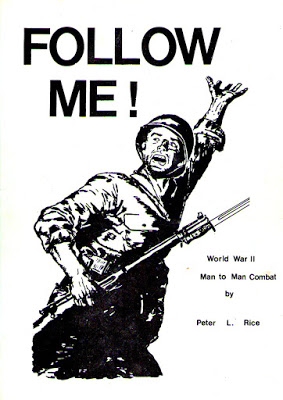

Dirk, if you are real I am sorry you find my website such an insult.
Chris
Views: 107

Summer’s here. Hope you are planning to include a bit of gaming, and maybe a convention or two, into your plans.
Here in the US, I’ll wish you a Happy 4th of July holiday in advance. In the meantime, here’s the June AAR with all its gaming goodness.
Enjoy…
Chain of Dice: WWII Skirmish
Chain of Dice: The Umpire’s View
Chain of Requests: More Chain of Command (CoC)
Familiar, Yet Surprised: CoC
More CoC Thoughts: By the Umpire
Reflections: Connected CoC Games
CoC: Experience and Tactics
Martian Spreadsheet: Terraforming Mars
1941 Battle of Alytus: Command Decision
HMGS Next Generation
1429 Joan of Arc: Darien CT Library
Sci-Fi Father’s Day: New Canaan CT Library
1429 Joan of Arc: Greenwich CT Library
News
Game Master of the Year 2024: HMGS Award
Early 14th Century English Archers: New Figures
Update: Source Pre-Colored Hex System and TimeStrike
New Wargame: ECW Volumes 3 and 4
HMGS: 2024 Election Results
Knights of Freedom: More WWII Photos
New Wargame and Books: Bloody Omaha
Point Breeze: Joseph Bonaparte’s NJ Exile
Books I’ve Read
Countdown to D-Day: The German Perspective
Tanks on Iwo Jima: 1945 (New Vanguard 329)
The Battle of Thapsus: 46BC
Soviet War in Afghanistan: 1979-1989 (EurWar 50)
The German Way of War: Tactical Management
The Hill: Brutal Fight for Hill 107 on Crete
Armies of the Normans: 911-1194
Caesar’s Gallic Wars: 58-50BC (Essent Histories)
Haunted War Tales: True Military Encounters
The Siegfried Line: Then and Now
1217: The Battles That Saved England
Operation Allied Force 1999: NATO Air in Kosovo
Manfred Von Richthofen: Red Baron
Admiral Canaris: Hitler’s Chief of Intelligence
Army of Transylvania: 1613-1690 (CentSold 115)
The Typhoon Truce 1970: Vietnam
World’s Greatest Escape Stories
Japan Runs Wild 1942-1943: War in the Far East
Inside the Roman Legions: 264-107 BCE
Belleau Wood and Vaux: June 1-26 1918, Jul 1, 1918
Clash of Crowns: The Battle of Byland 1322
Surviving Three Shermans: With the 3rd Armored Div
Panzer III vs T-34: Duel 136
Hitler’s Gold: Nazi Loot and How It Was Laundered
Jamestown 1622: Campaign 401
King George’s Army: Vol 2 – British Regts 1793-1815
Bf 109E: Battle of Britain (Dogfight 12)
Destruction Imperial Army: Vol. 2 – Battles Metz
The Beagle Conflict: Volume 1 (LAmer at War 36)
Destruction Imperial Army: Vol. 3 – Sedan Campaign
The Beagle Conflict: Volume 2 (LAmer at War 39)
The Army of the Kingdom of Italy: 1805-1814
Far From Suitable? Haig, Gough and Passchendaele
Germany’s French Allies: 1941-45 (MAA 556)
Views: 30
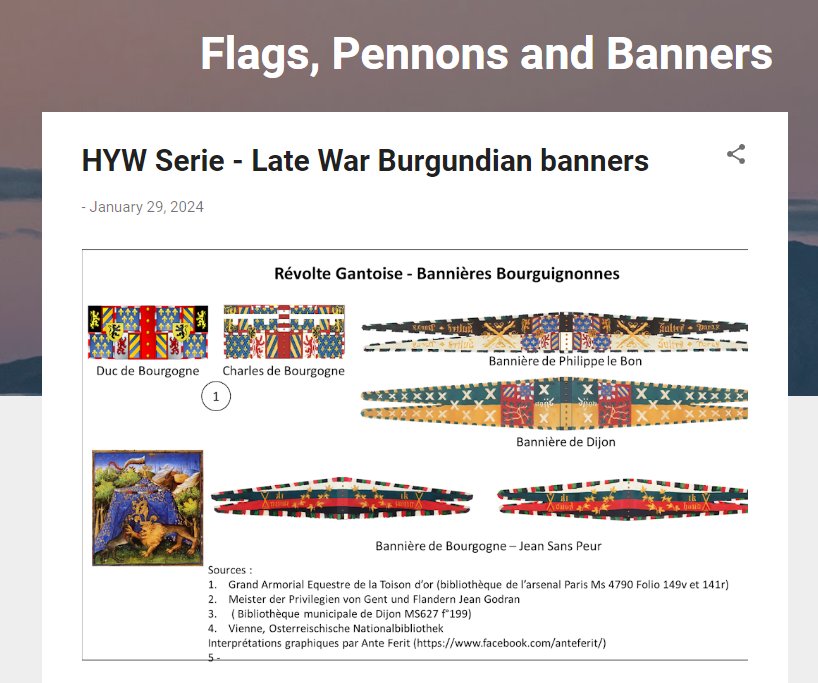
If you’re like me you love adding flags to your units. Well I was reading through some reviews on The Miniatures Page recently and found a very nice post from user Alea Jacta Est Miniatures. He was mentioning his free HYW flags and pennons.
He wrote “Hi – My new Free to use Banners set suitable for the Du guesclin and his fellows.”
here is the link to his blog. I do hope you will all have a look, download them if you are of mind and maybe post either on TMP or his blog.
Flags, Pennons and Banners >>>
enjoy and share… Chris
Views: 175

I have known Arthur for many a decade. A good friend and long time companion at HMGS shows.
Arthur Joseph Fossa
July 21, 1945 ~ May 2, 2024
Born in Danvers, MA. Art was the son of the late Dorothy Ann & Arthur F. Fossa. After graduating from Danvers High, he earned a BS in Civil Engineering from Merrimack College followed by a MS in Environmental Engineering from Tufts University.
He began his career working for the State of New York Department of Conservation (DEC) for 30 years and became the Director of the Division of Air Resources. Art then joined the private sector consulting for Spectra Engineering and taught Atmospheric Pollution at RPI.
Art had a love and passion for antiquarian military history books and is the proprietor of Aide De Camp Military Books and Prints. He was well establish in repairing book bindings, and enjoyed painting military soldiers, and wargaming with his friends.
Art had an infectious laugh, had a passion for sports, loved to sing and dance, and hang out with his friends.
He is survived by his loving wife Nancy of 26 wonderful years. Art and Nancy combined have 6 children and 8 grandkids. He was loved by many and will be missed.
Views: 94

I have been saving up a few links to share over the last month and I felt as I will be gone for the rest of the week now would be a good time to share them.
These are glimpses in to the making of Toy and Toy Soldiers as well as gaming with them back in the 60’s.
Britain’s Toy soldiers
Matchbox Cars
Toy Soldiers 1965
Peter Cushing, painting Toy soldiers
Men will be Boys
Making Toy soldiers 1966
Views: 58
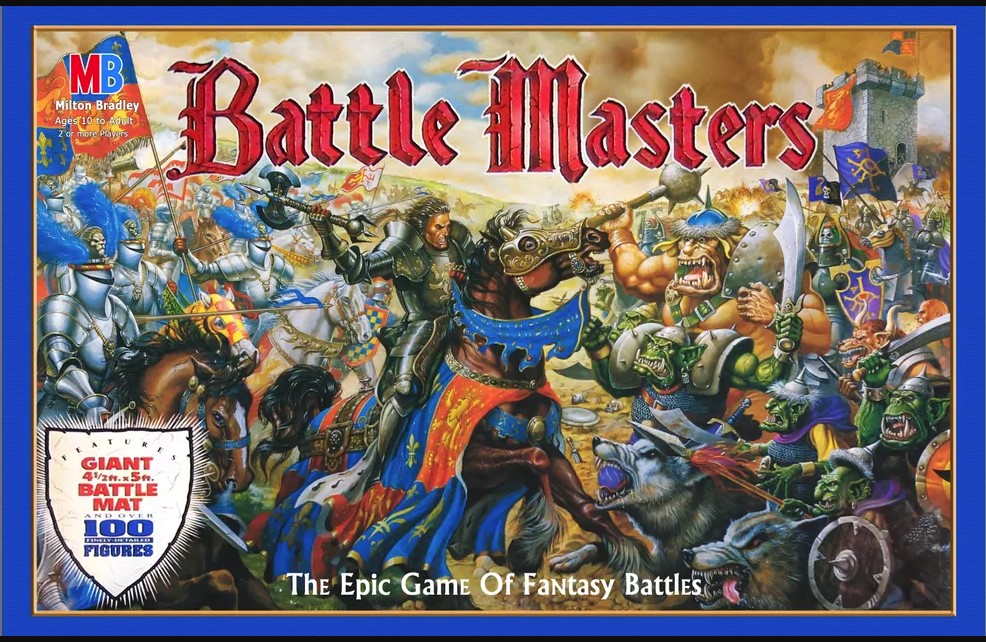
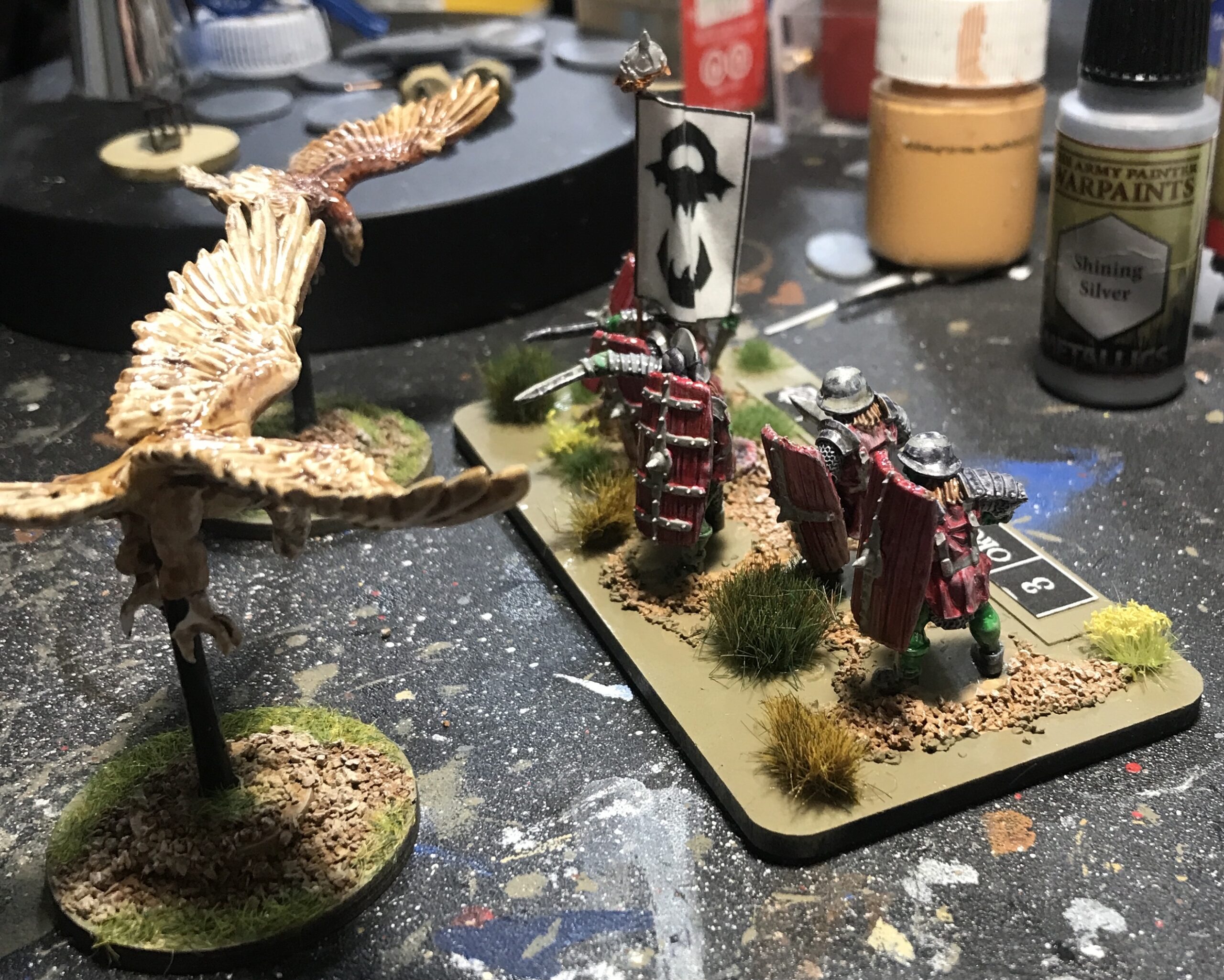
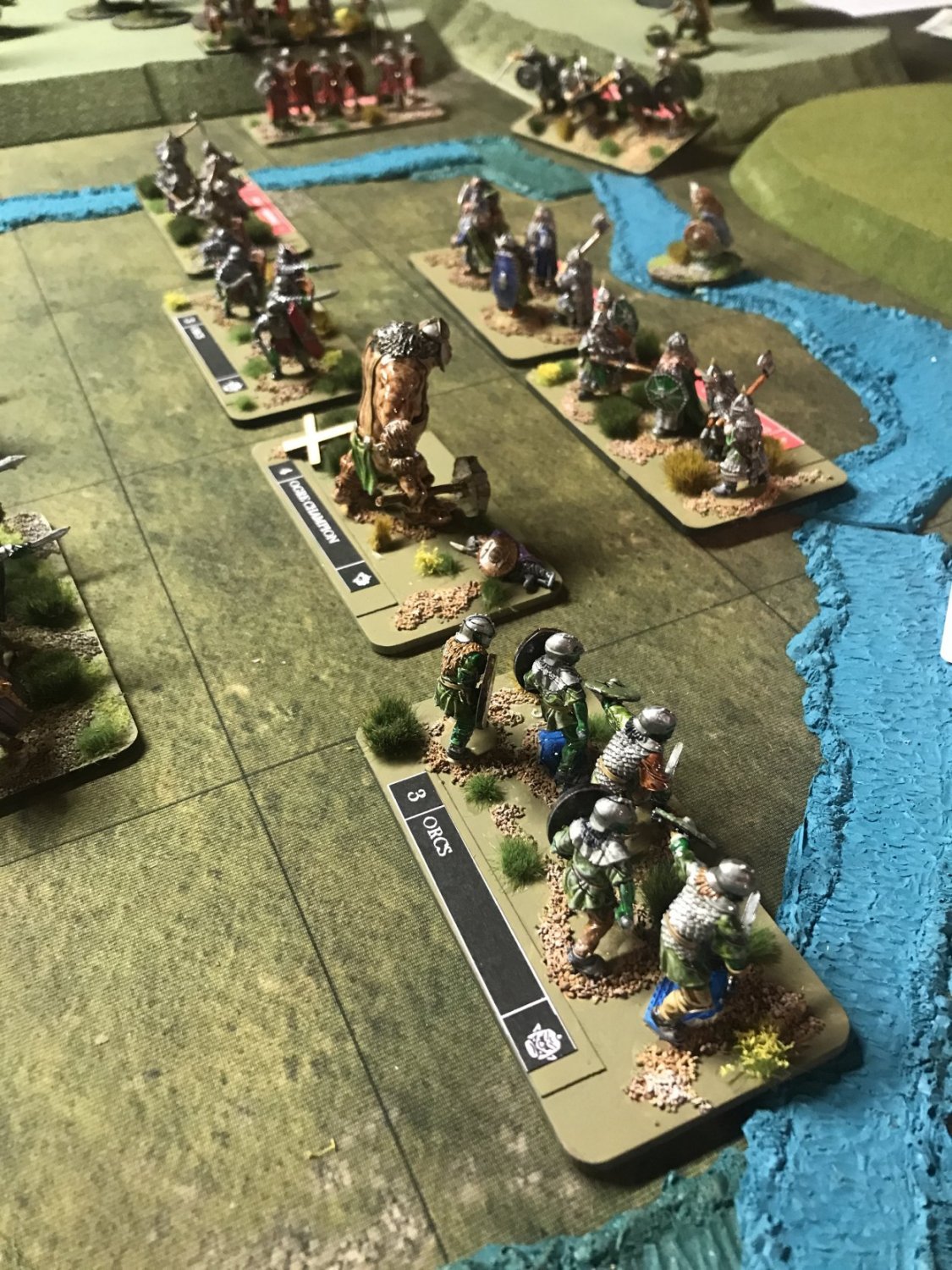
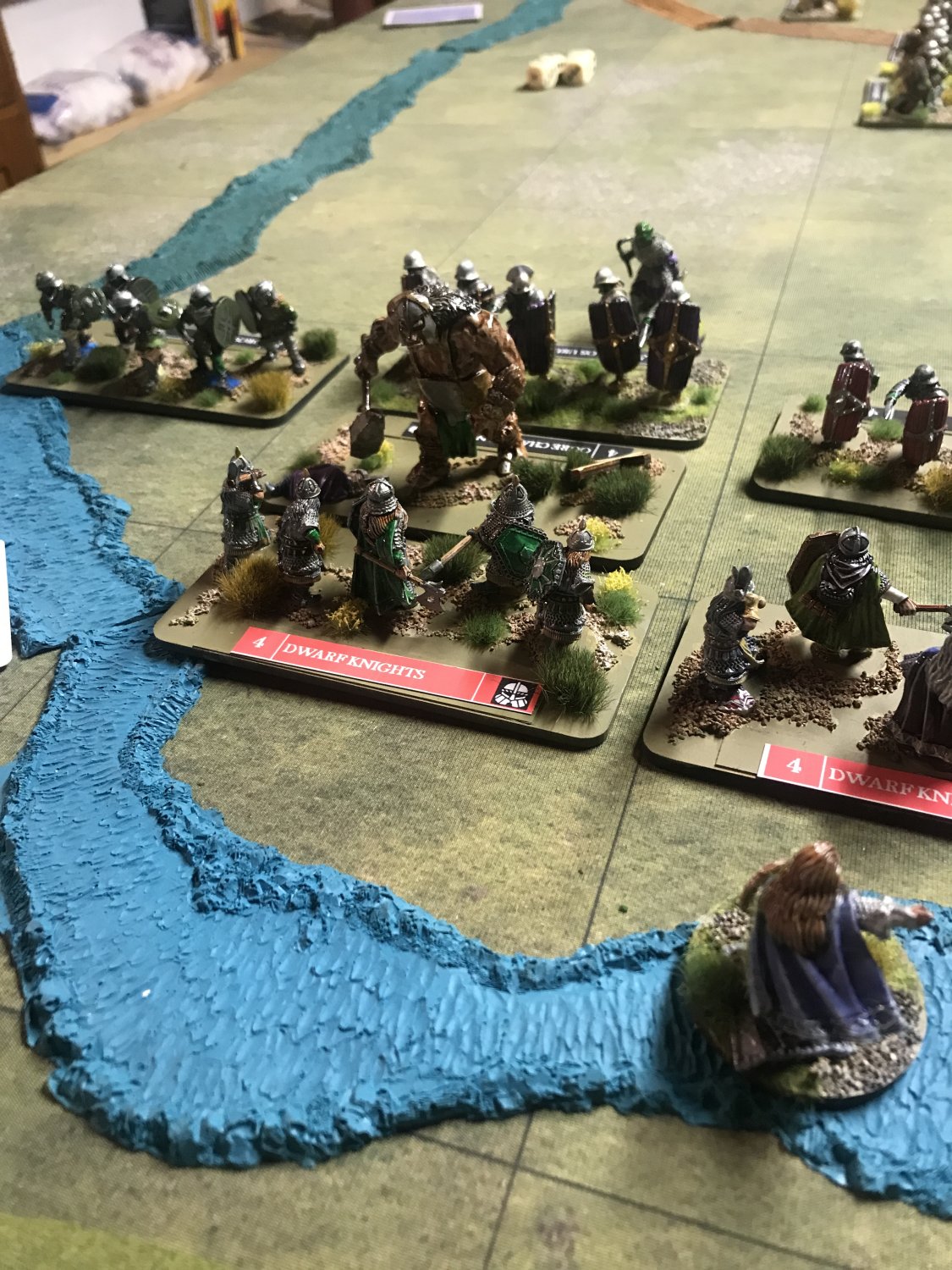
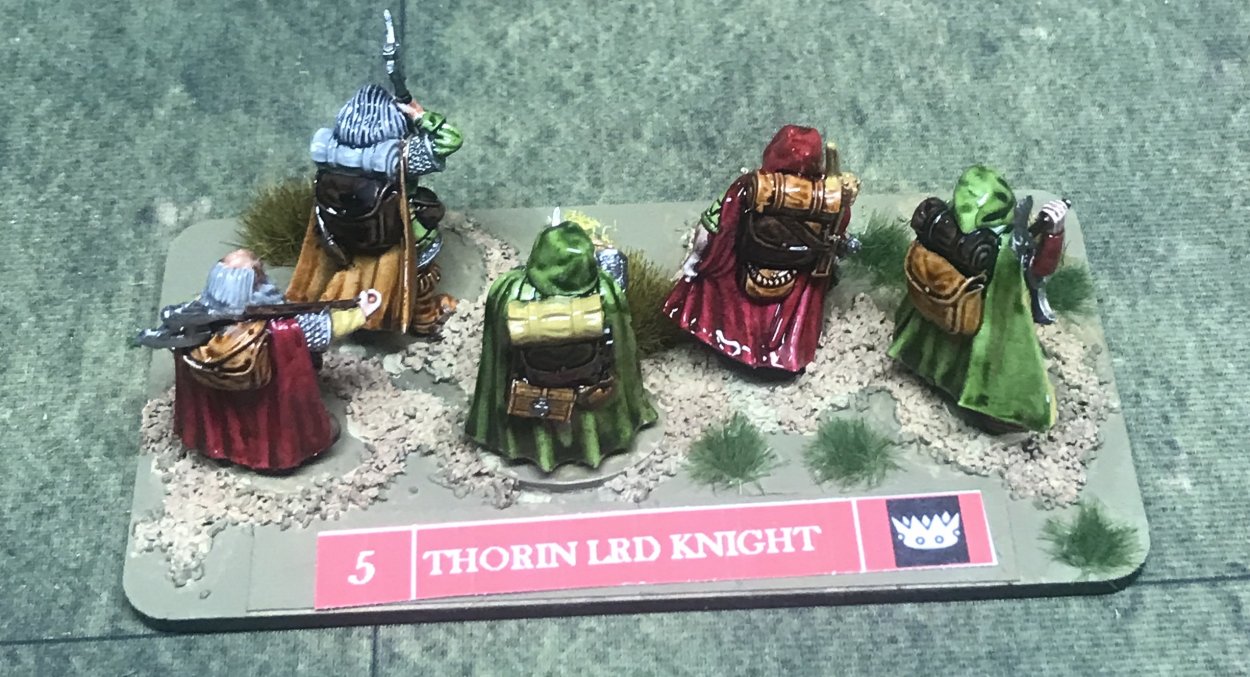
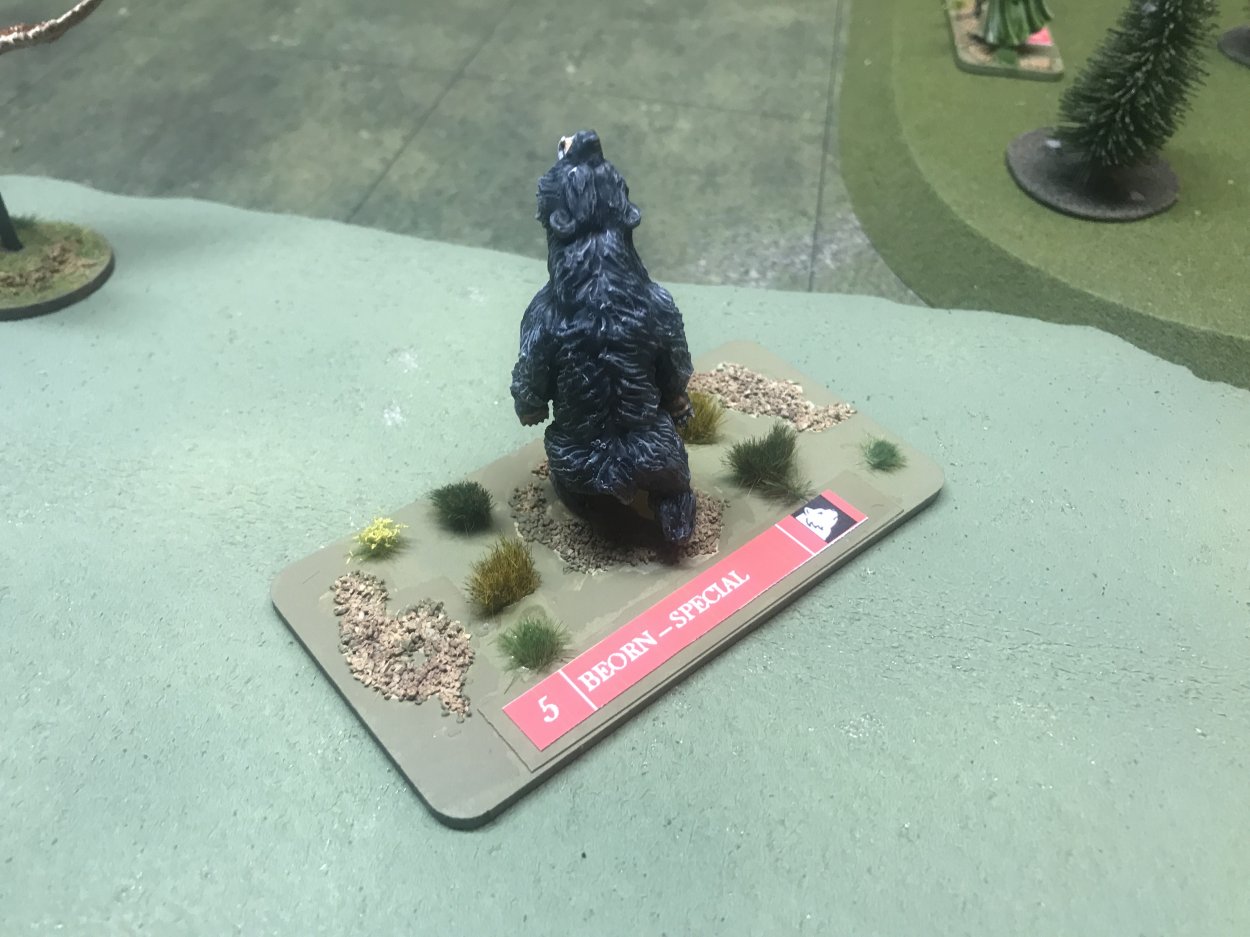
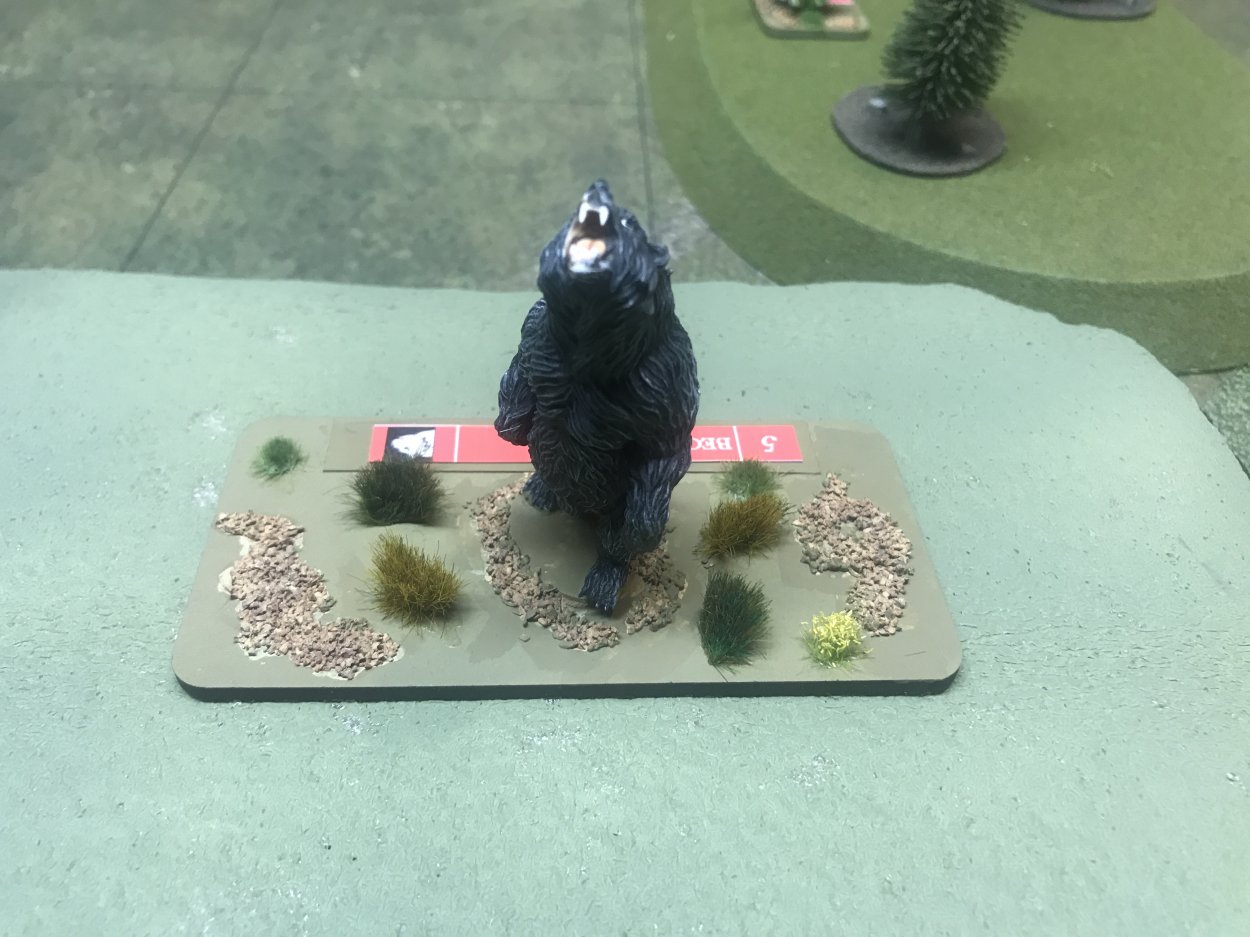
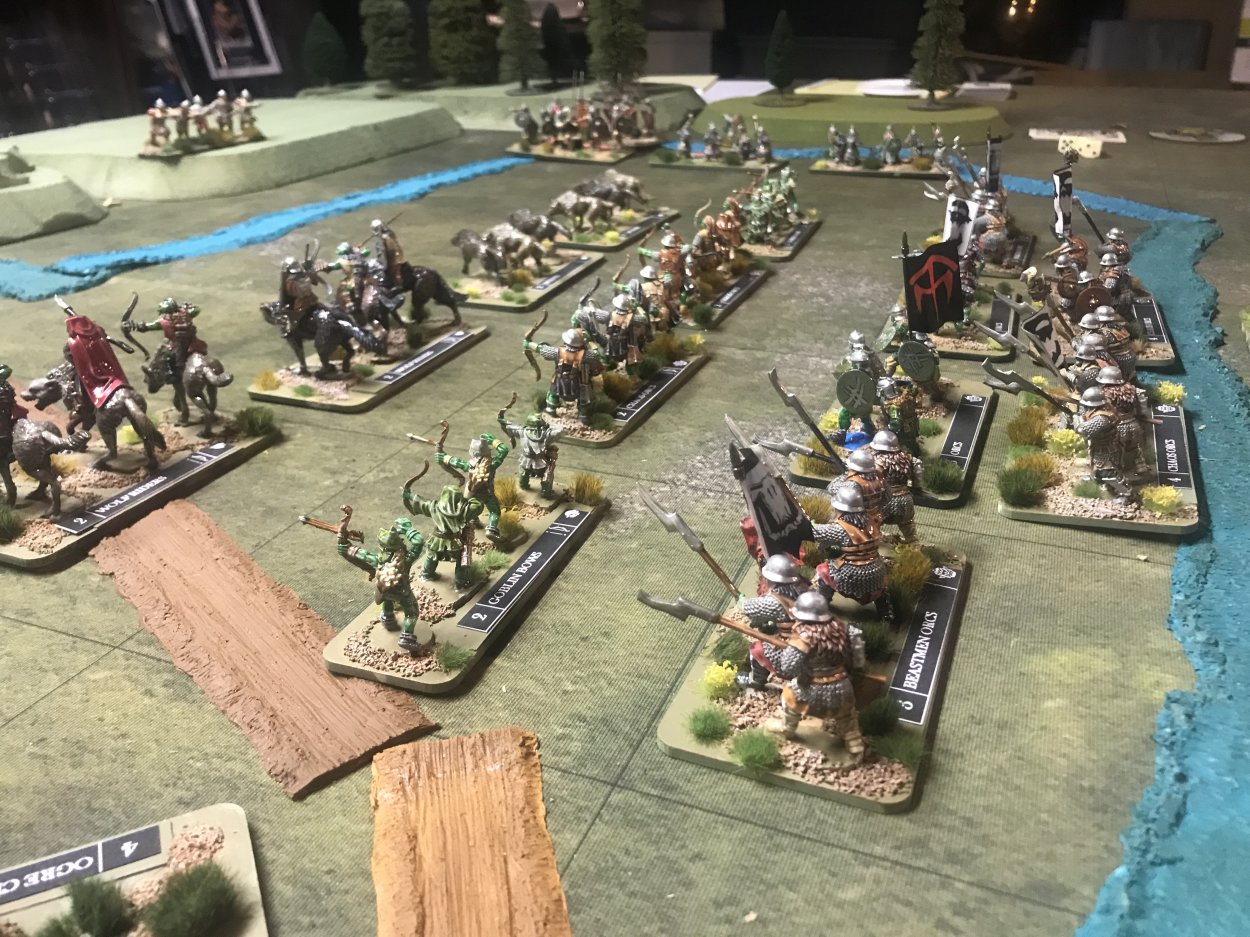
I am doing Battle Masters Advanced in 40mm.
I have moved to a square based table top and allow stacking.
While trying to keep the gamey kids feel I have introduced just enough wargamey rules to it to be a good convention mix.
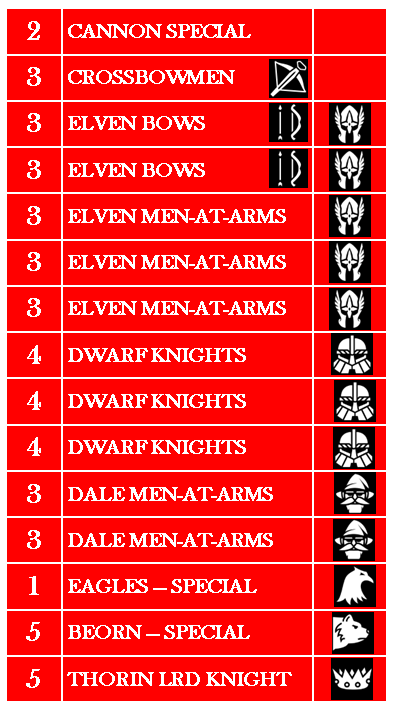
I have done up the armies for The Battle of Five Armies and I will be running a few of these games at Total Confusion, Mayhem, Havoc and Hussar Conventions here in New England over the spring.
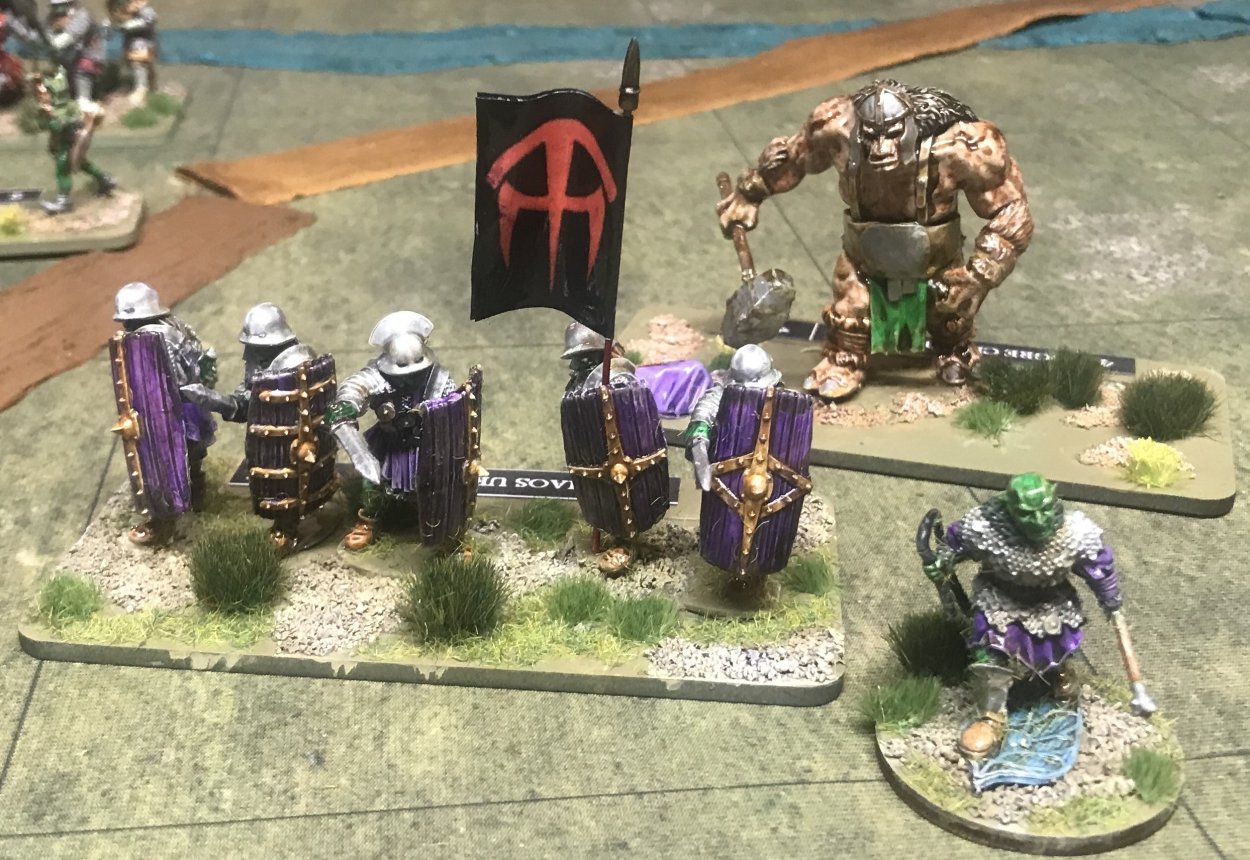
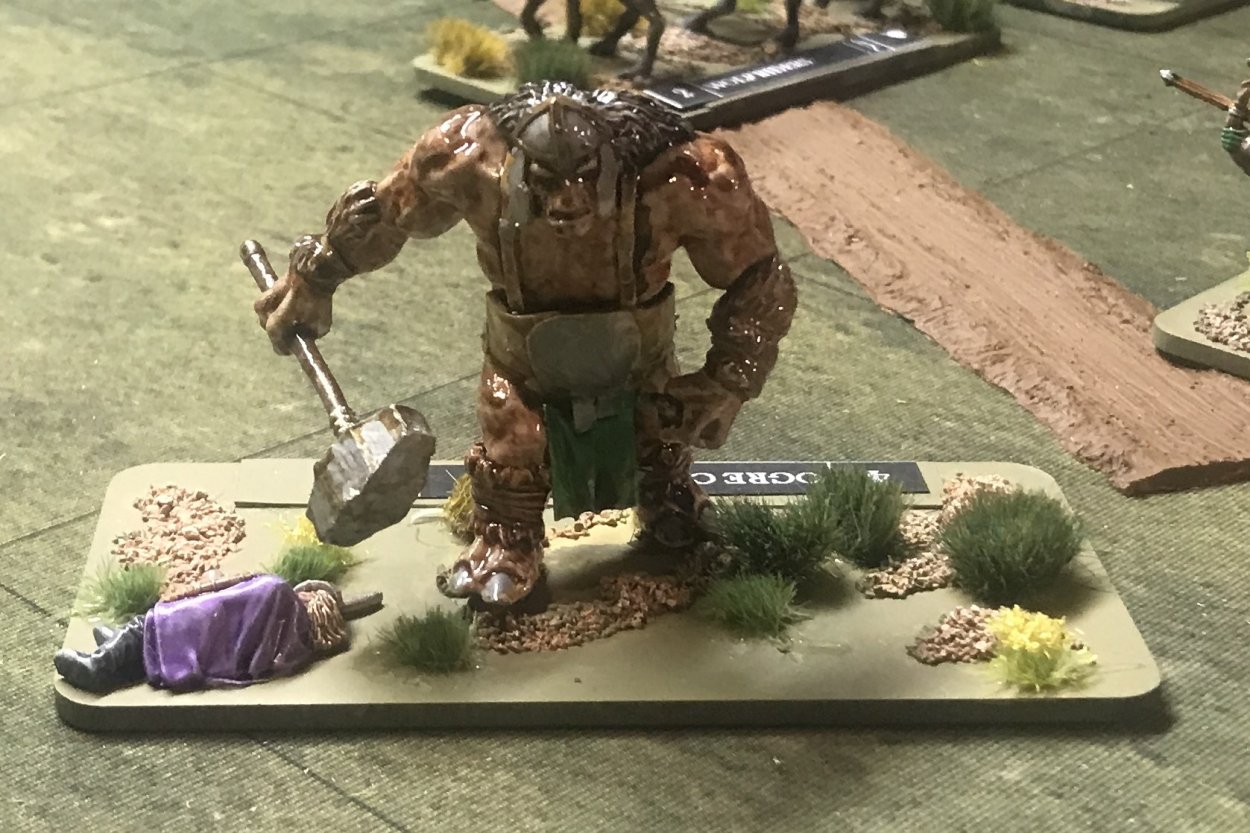
I just finished up some eagles and my last unit of Orcs.
I have printed all of my troops again in 40mm (epic :).
I love these Orcs in Roman Armor.
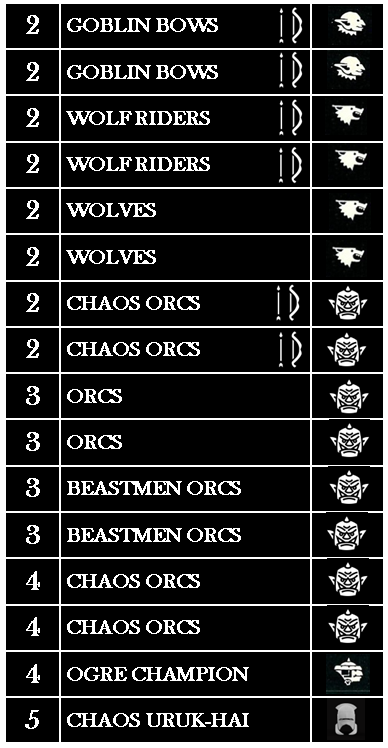
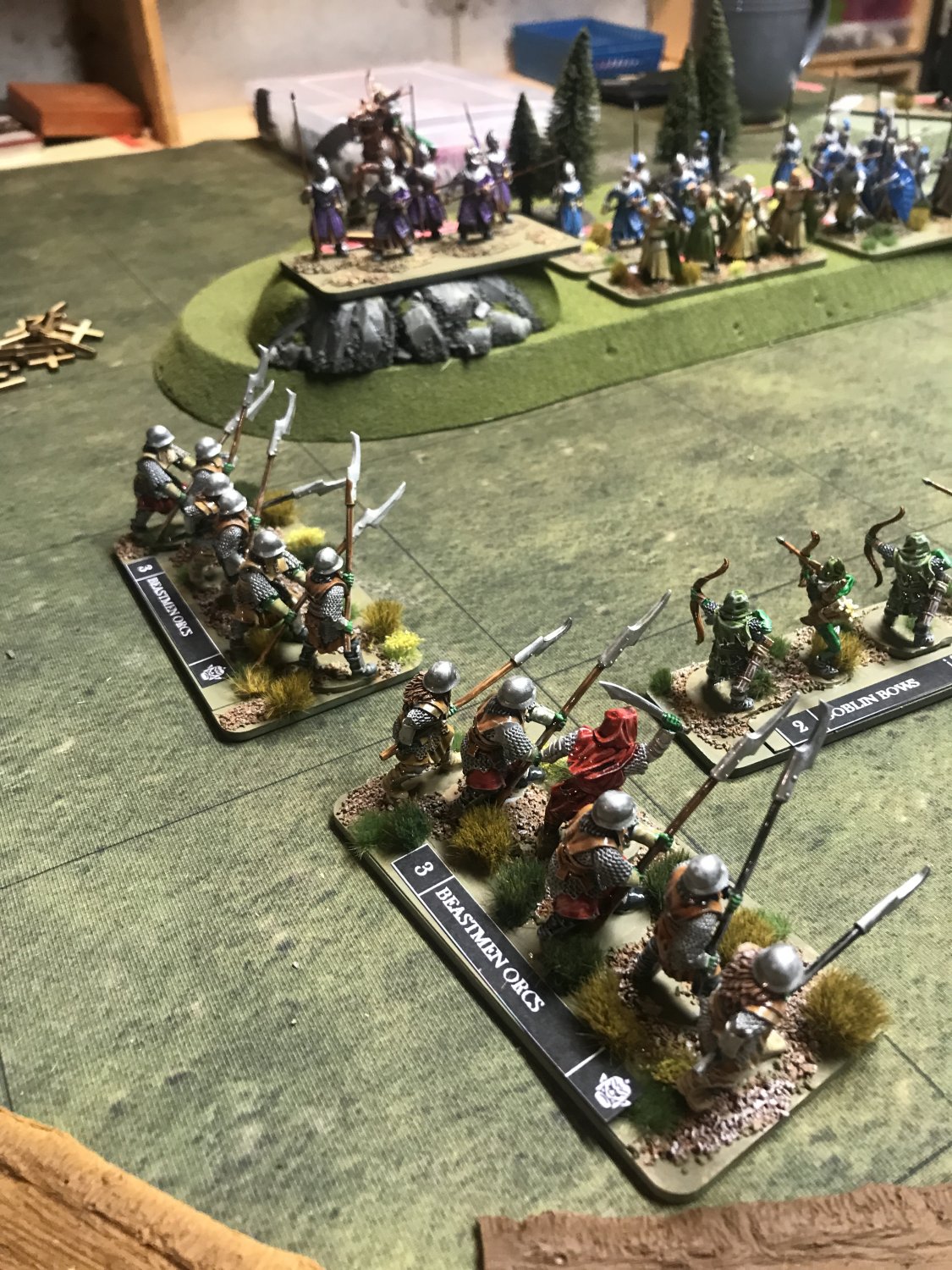
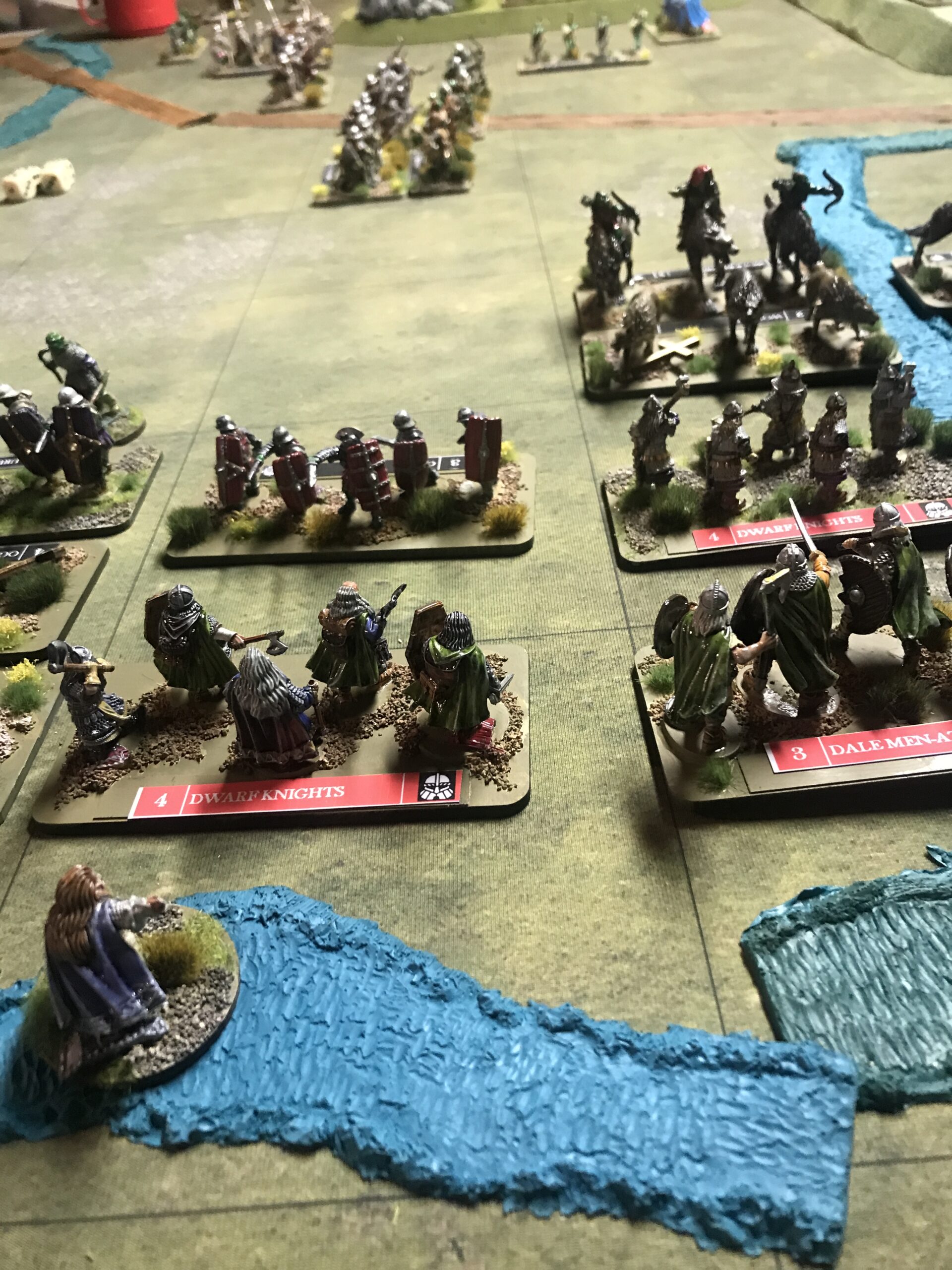
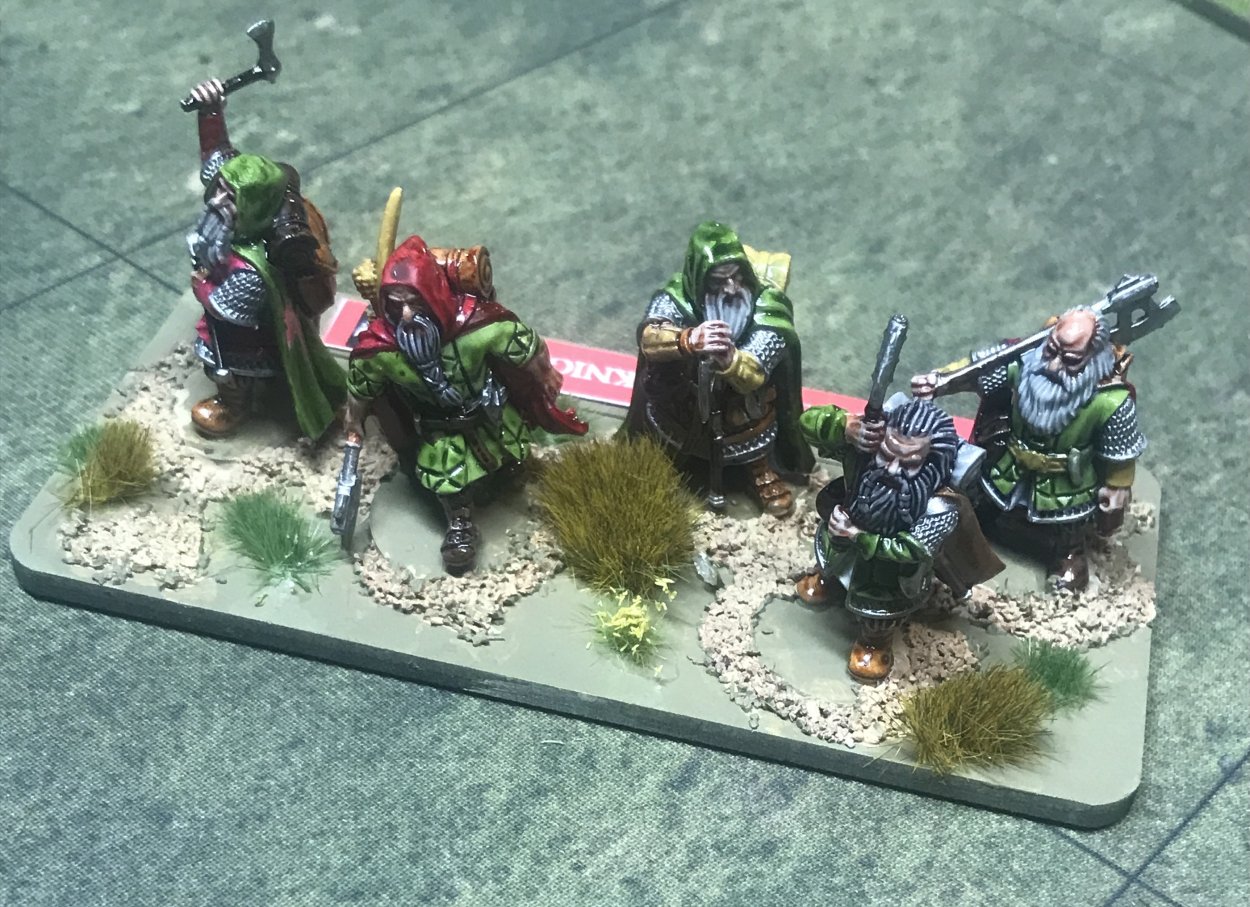
Views: 171
I found this amazing video on YouTube and I will paste the links down below.
The map the designer showed was stunning and has so many uses.
He even offers to send it to you at no charge if you click on the link in the more information of the video.
This link is to his YouTube channel >>>
https://www.youtube.com/watch?v=v327coDI0JM&list=WL&index=2
“If you like any of the maps you watched on the channel send me an email ( channel’s email ) and i will send the one you want.
They are all free just mention the channel if you use the maps either in You Tube ,Facebook or any other social media or suggest the channel to your friends.;)”
INARNATE Map making program
Link: https://inkarnate.com/login/
Battle Chronicler
Link : >>>
Views: 21
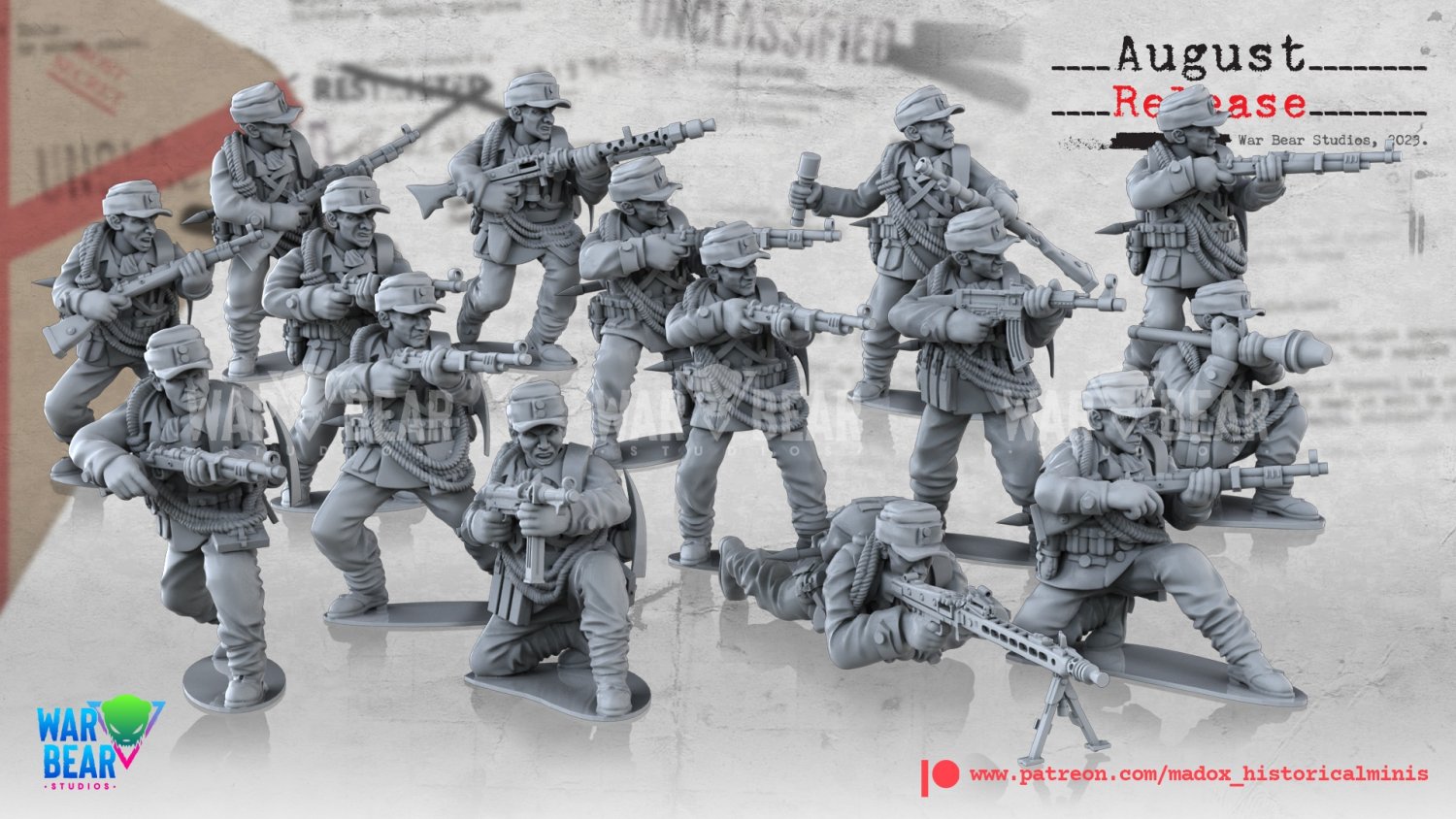
I have added a lot of unique WWII sets to the site.
These include early Polish troops as well as some unique German troops.
I also added the first set of Marines for the Pacific.
Support sets as well as Japanese will be posted in the next day or two.
These sets are available in 28mm, 40mm and 54mm
Views: 115
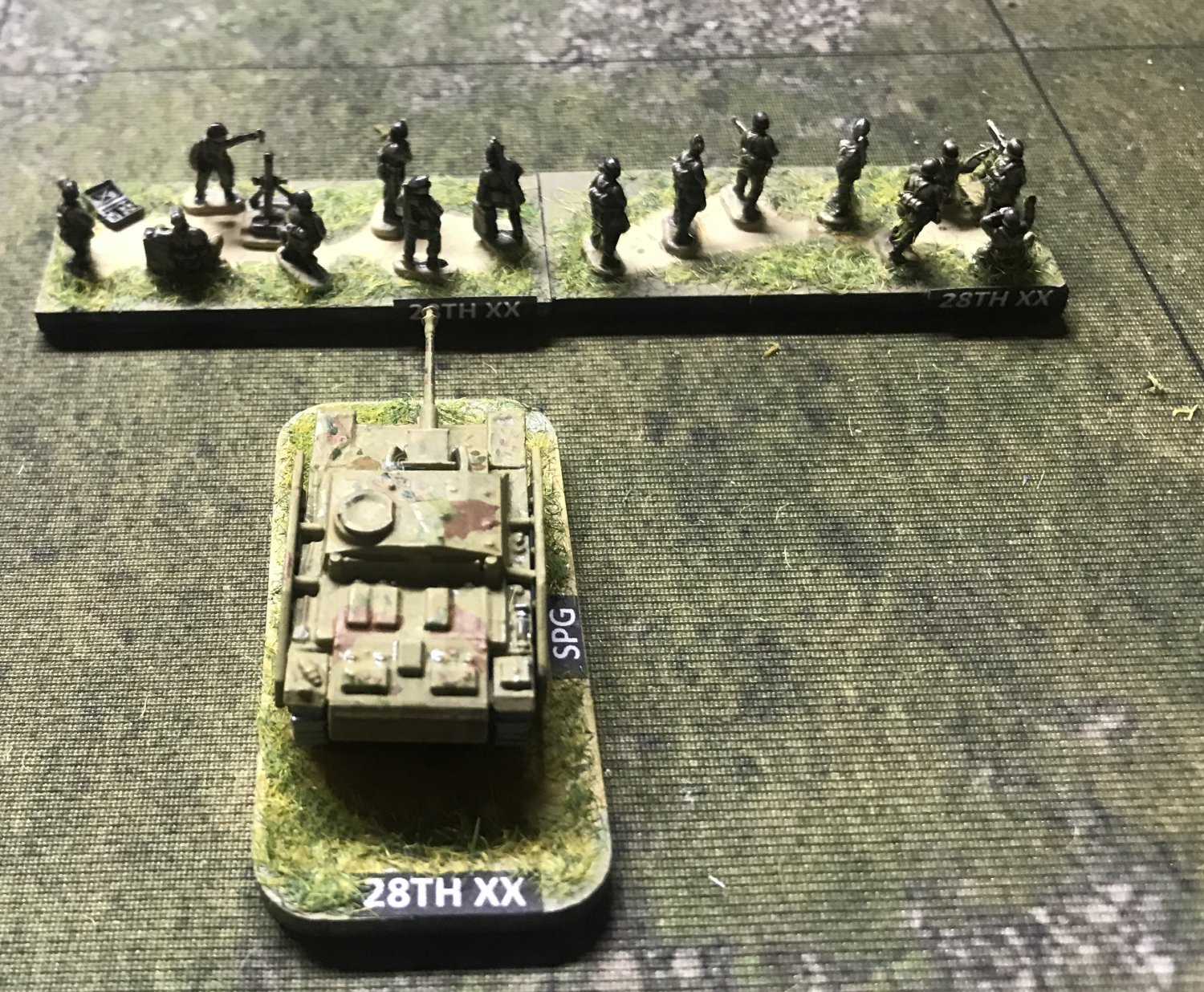
When I got back a few weeks ago from Carnage Con 27 in Killington Vt. I decided to stop all of my painting and to finish up and organize the three eras that I game. They are WWII with D-Day to Berlin. The Seven Years War with Twilight of the Soldier Kings and The American Revolution using Liver Free or Die.
I chose D-Day to Berlin first as I had put a lot of effort into painting up the troops needed for for Omaha and Utah beaches scenario that I ran at Carnage (thanks to Ken for stepping in). I had decided prior to the convention to go totally 12mm. I can print the armor and vehicles in 12mm no problem but though I tried very hard to get good looking printed infantry but I wasn’t happy so I bought 12mm miniatures from Victrix. I purchased nearly all of the from The Hobby Bunker in Wakefield MA. A great shop with a very interesting history starting out as Excalibur hobbies in Arlington Mass back in I think the 1970’s.
Well back to my troops. I picked up one pack when I stopped by and after painting them I decided to commit and placed a mail order to them online. Yes I can drive there in an hour but I was to busy. They got the order to me in just a few days and shipping was very reasonable. The other major point is Matt (the owner) doesn’t mark them up like so many places 🙂
So with troops in hand I got to work. I decided early on it would be easier to paint the figures on the sprue rather than clip them off and place them on painting boards. I even went so far as to try basing them and then painting them but this was to fidgety. So off I went. They painted up quickly and as they are so small I was able to do a lot of slapchop painting using Army Painter speed paints (tip – only use the 2.0 versions).
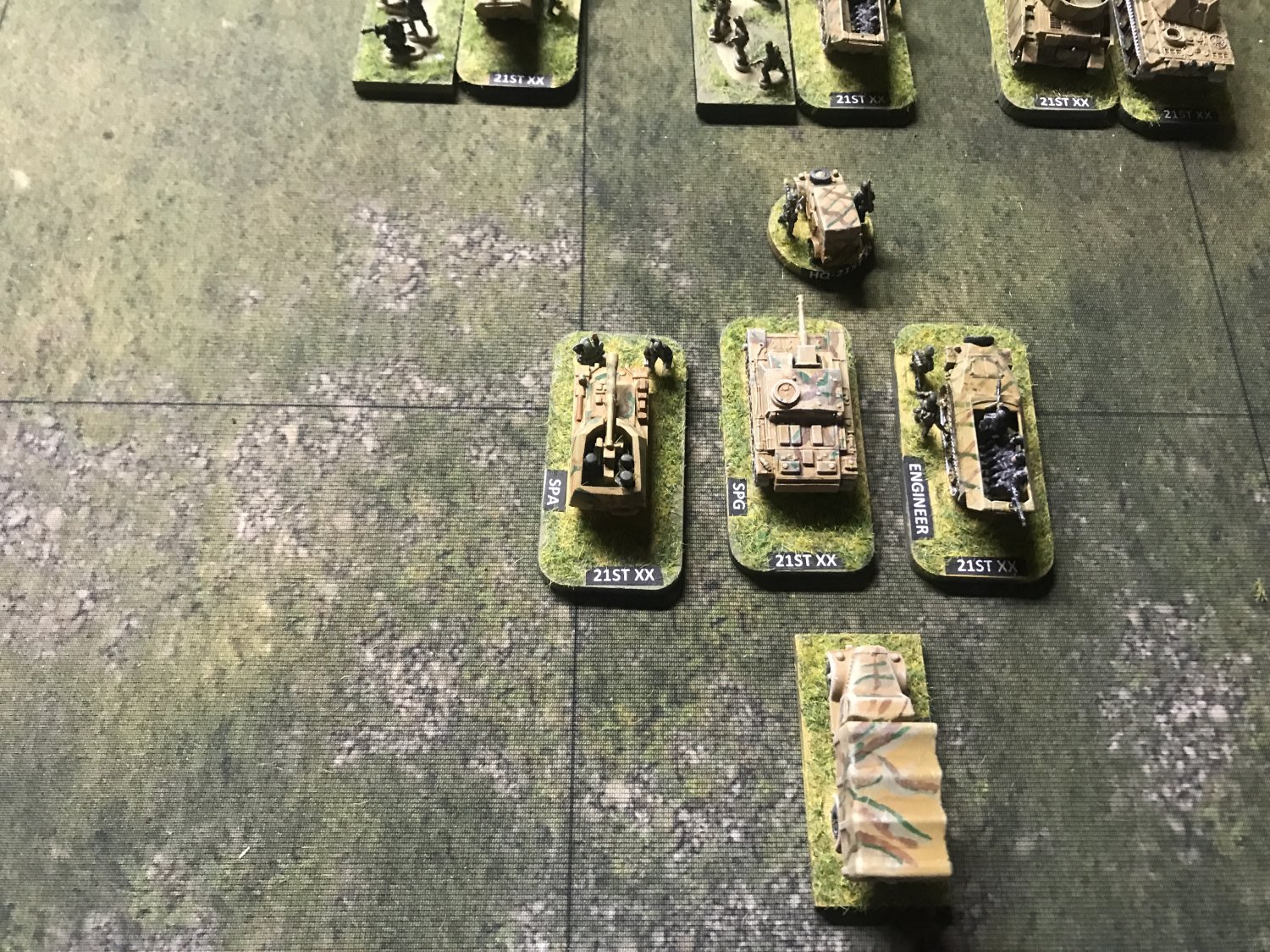
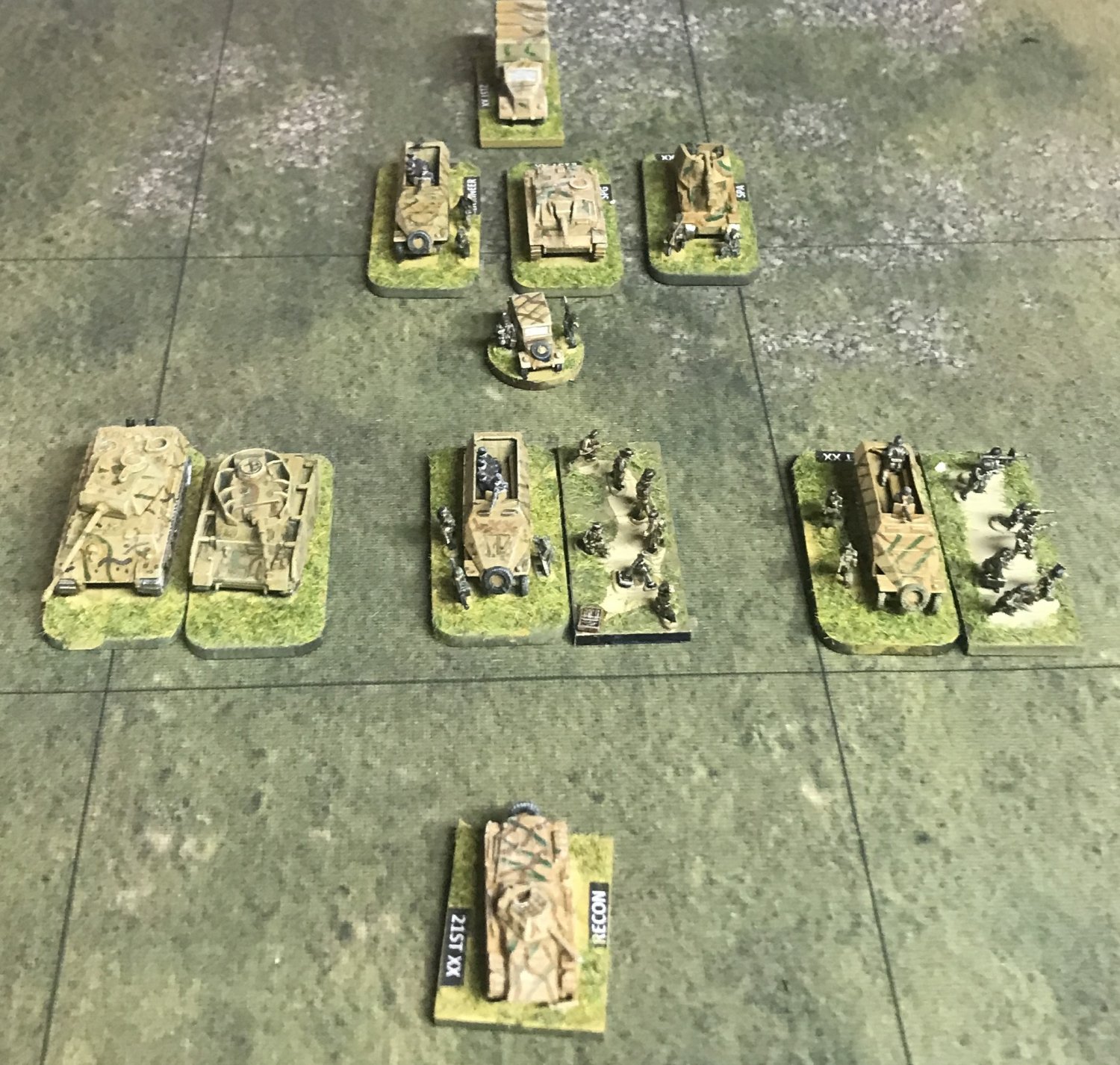
Once painted I based them up. I decided on a new base which was 25mm x 60mm. Previously I had used 30mm x 50mm which are Flames of War base size. I mounted most of the vehicles on a 30mm by 50mm base. Command stands are on 25mm round bases.
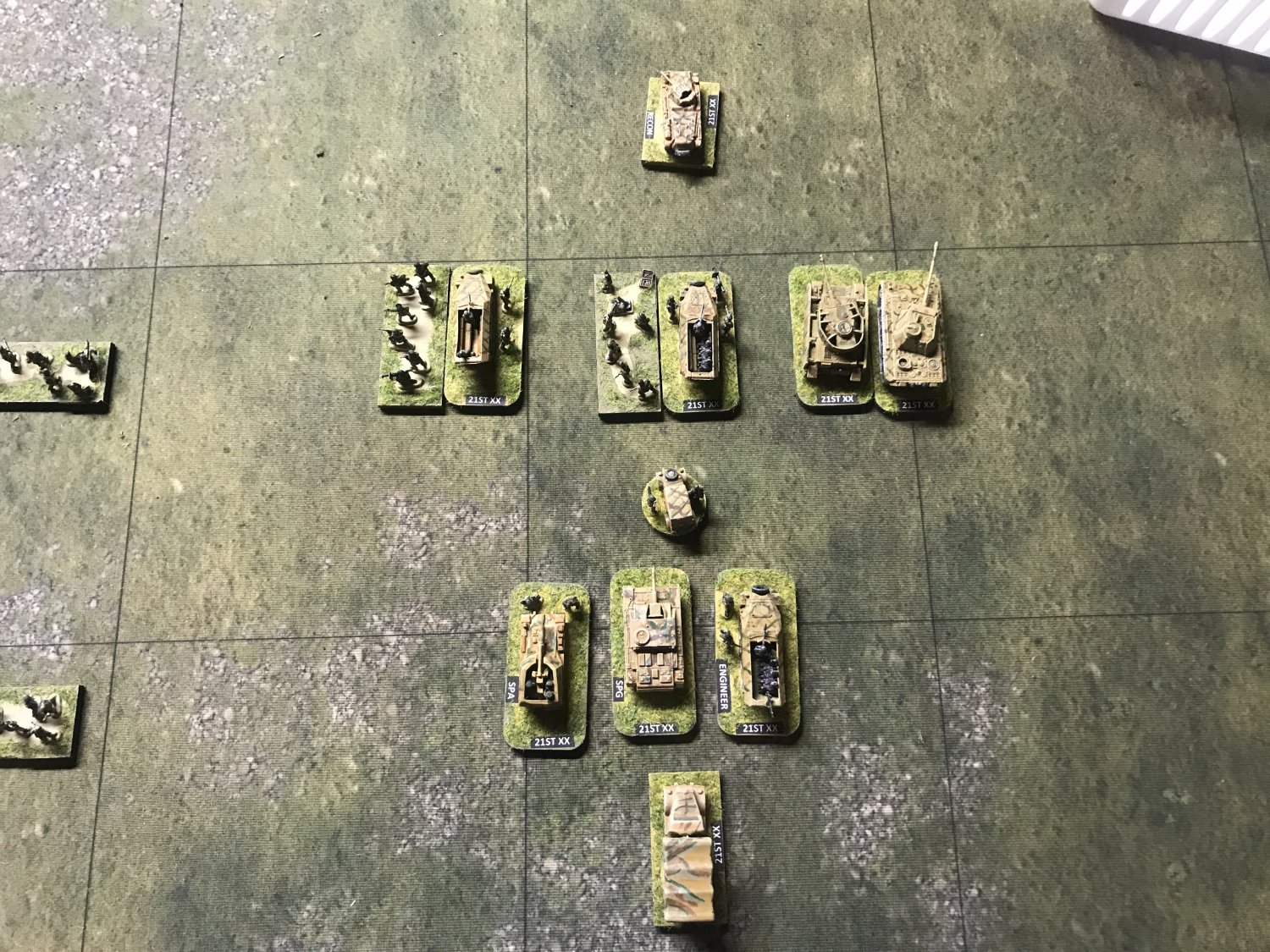
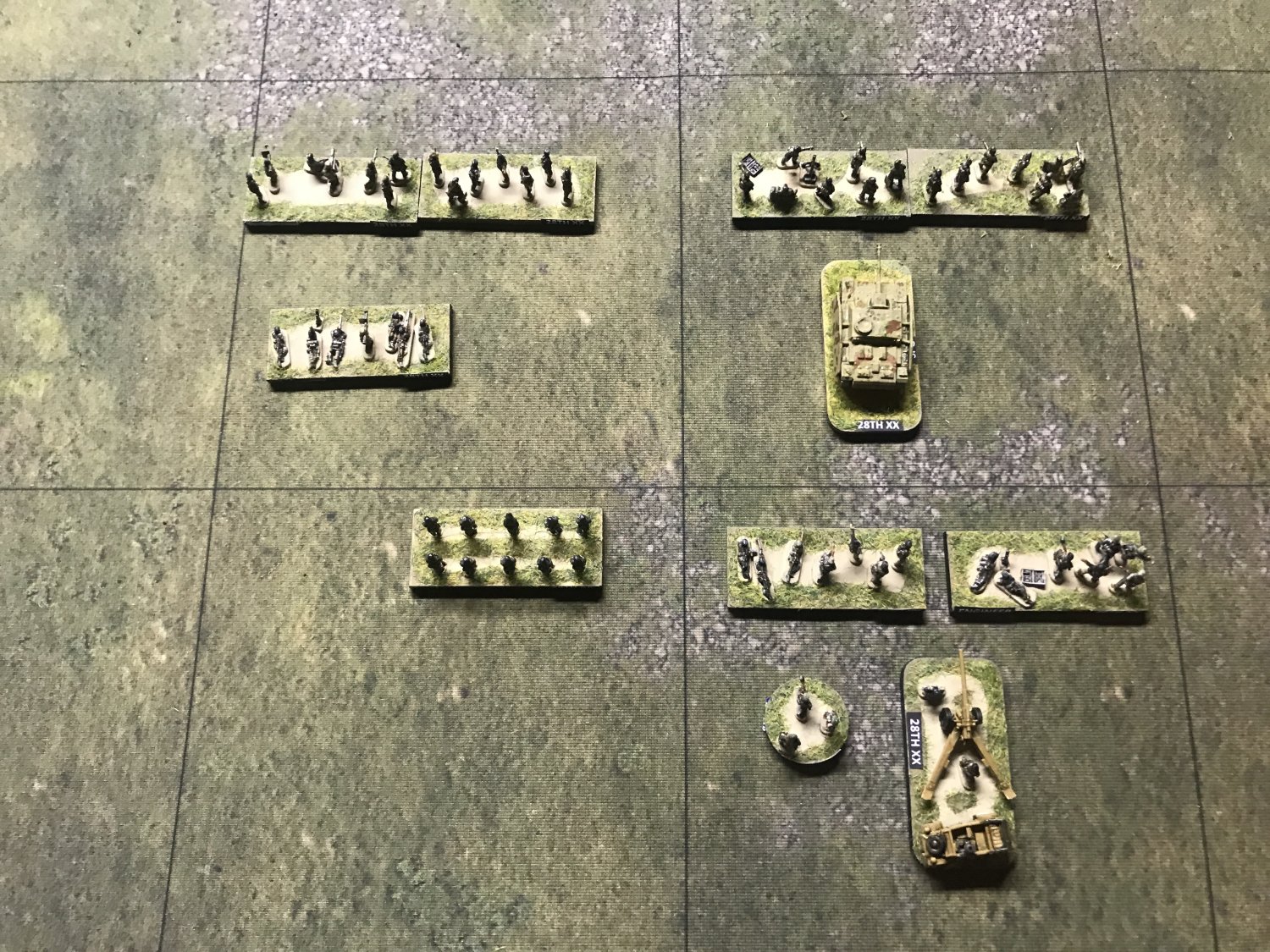
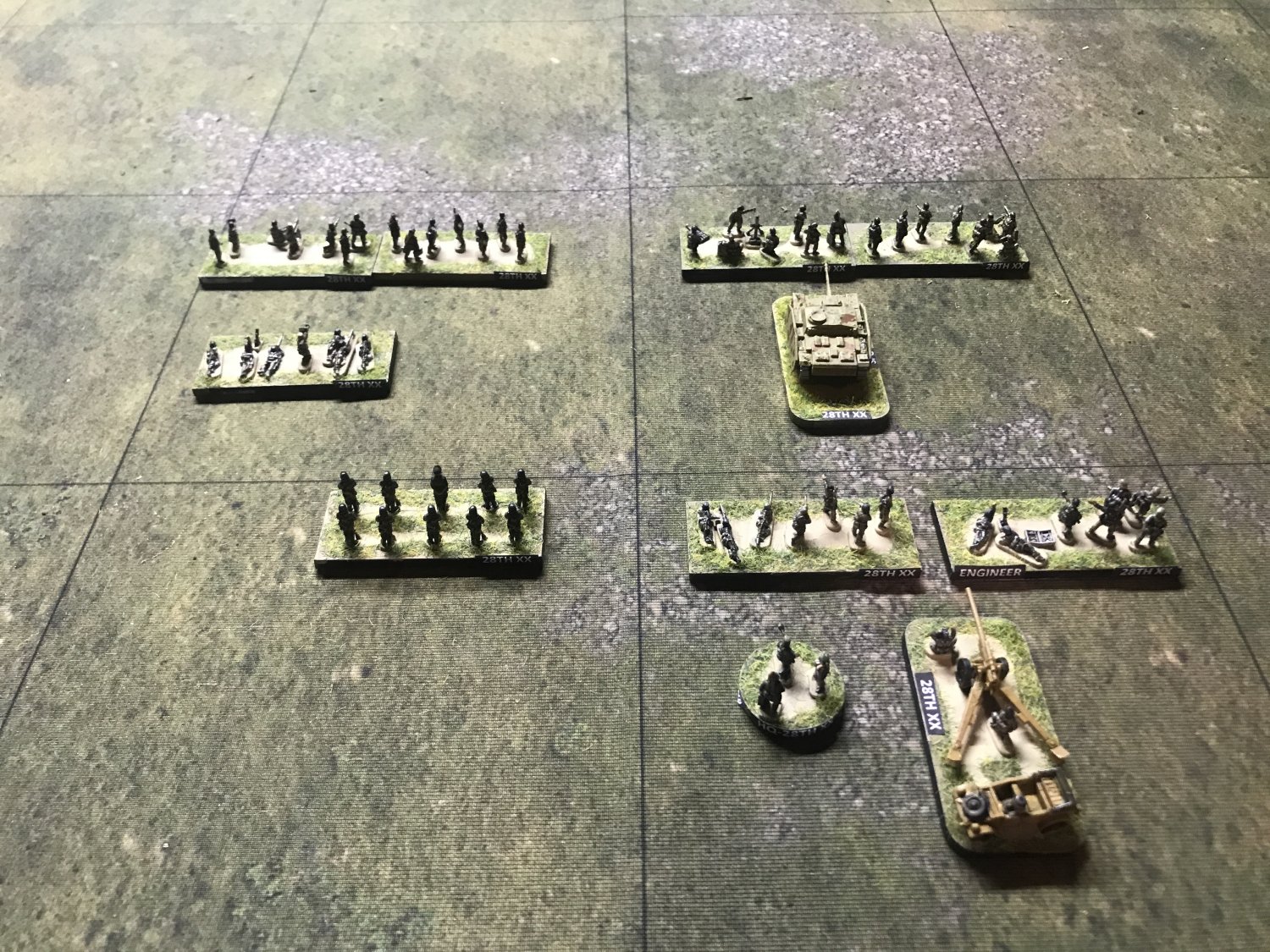
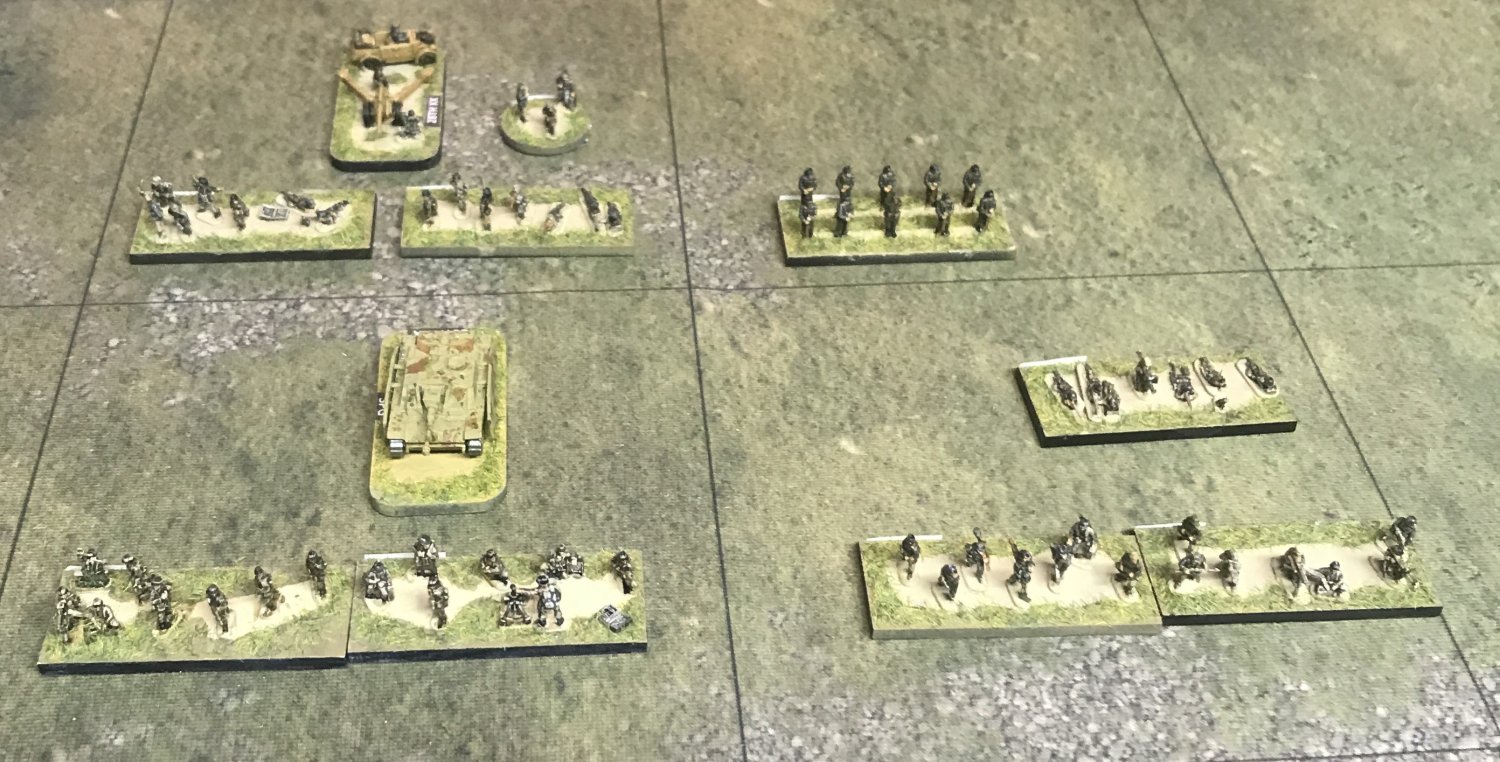
Next I organized what I had painted into divisions. By doing this I knew what I needed to print for vehicles and guns and paint for ground troops. I am nearly completed. I have a Panzer Grenadier XX and a second Tank XX to finish up. I should mention I did the US first and they are done.
Once based I applied labels on vehicles to note if the stand is SPG, SPA, Recon etc. Finally every base had a division number followed by XX. This will help players know exactly what units they have in their division and what they are.
The following slide show shows an Infantry XX and a Tank XX laid out. I’m not sure how I am going to deal with the motorized infantry in the Tank XX. For now I am using infantry stands and placing a truck next to the Division Command stand to remind the player the infantry are motorized. I may however replace the infantry stands with open back trucks with infantry in them showing they are motorized.
So I hope you enjoy this article. Next up will be my SYW project completion.
Views: 140
I had only expected to sit at the virtual table quietly and observe for an hour, but being able to be the sixth player was a treat. He ran it via Zoom, using a couple of cameras and performing all the movement, die rolling, and camera positioning. It’s tough enough to be a GM at a ‘convention’ game, but having to do everything on the tabletop for the camera is even tougher. Nothing but praise from us players for Chris’ efforts.
The demo game was set during the Battle of the Bulge, with the US counterattack. The goal for the Americans was to grab three towns (one in each division’s sector). The Germans had to hold the towns.
DDtB makes the player a division commander, with each stand equaling a battalion. Each square on the table is 2.5 miles, and you can fit four stands plus a HQ into a square.
It’s a big scale, so tactical gamers will have to make allowances. You’re a division commander, not a company or platoon commander.
We Americans had three divisions: the 3rd Armored, my 80th Infantry, and the 33rd Infantry. I had not heard of the 33rd at the Bulge, but since US infantry divisions followed roughly the same TO&E, it could have been any infantry division. As it turns out, the 33rd served in the Pacific Theater, sez Wikipedia.
The three German divisions were the 5th Fallschirmjager (opposite the 3rd Armored), the Fuhrer Begleit Division (opposite my 80th Infantry), and the 26th Volksgrenadier Division (opposite the 33rd Infantry). OK, so Umpire Chris took a few liberties…
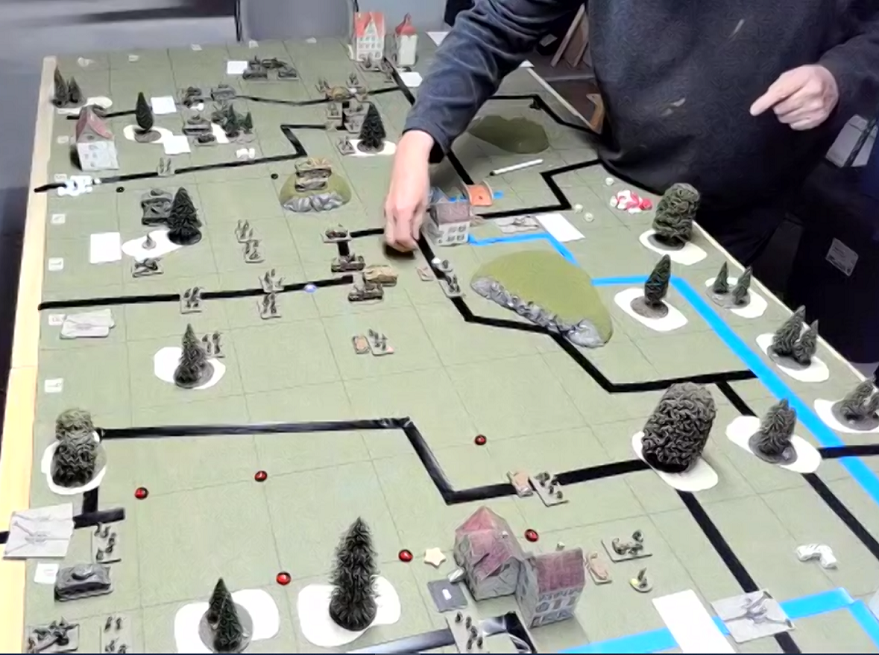
Screengrab of the beginning of the DDtB Zoom game. Allies on left, Germans on right. The middle third of Chris points out various terrain features. The red beads are divisional boundaries. The miniatures are on board. The paper artillery pieces represent off-board artillery. The star by the buildings represents victory towns. The black tape represents roads. Everything else seems self-evident. My 80th Infantry Division is in the middle.
Each division operates within a set boundary. For simplicity’s sake, Umpire Chris made the boundaries of US and German divisions the same. In the photo, you can see red beads marking the boundaries — you were allowed to go outside your boundary by one square. In the rules, you can adjust your boundaries. In this demo game, we left the boundaries as is. When you read about at attack hitting a boundary — DDtB makes it a possibility. Boundaries are a nice touch.
I was assigned the 80th infantry division. Normally, a US infantry division has three regiments of three battalions. Alas, a regiment of mine was obviously on detached service somewhere else, for I only had six infantry battalions, not nine. Two of the detached battalions were assigned to 3rd Armor and unavailable to me.
I also fielded the HQ, an engineer battalion, an AT battalion (M-10s), and a tank battalion (Sherman’s). I also had an artillery “battalion” — historically, an infantry division should have three 105mm artillery battalions (usually assigned one per regiment) and a 155mm artillery battalion. Umpire Chris makes the 105 assignments part of the combat process, but leaves the 155mm free to support any attack or defense. All totaled, 10 units on the tabletop. Plus, I had access to two off-board corp-level assets: 155mm artillery battalions.
Remember that DDtB was gamed via Zoom. Tabletop activity took a little longer because Umpire Chris had to interpret gamer instructions. Many is the time when we gamers said something like “Move that stand up a square” or “Roll for the tank.” Well, obviously we knew the exact stand, but Umpire Chris had to figure out which stand we meant. We all got the hang of adding a bit of precision to our descriptions although Umpire Chris performed some neat mind-reading tricks from time to time.
In any case, the basic sequence was pick a unit or group of units, roll for activation, and then if passed, do something with them. Combat is by entering an enemy square — there is no artillery bombardment by itself. Failed activation’s with a ‘6’ also add a detrimental morale marker to the HQ.
Combat is by rolling a number of d6s. We picked that up quick enough — one per unit (any unit), plus one if infantry and mechanized form a “combined arms’ pair, one more d6 if the defending unit(s) are “poor” quality, and so on.
All things being equal, you look for 1s and 2s. If your units are at a disadvantage versus the enemy (like infantry attacking tanks, or combined arms pair without engineers attacking dug-in defenders), the enemy has the ‘weapon of choice’ and while you look for 1s, he looks for 1s and 2s.
Hits are applied to the square, one per enemy unit, with excess hits “applied” as detrimental morale markers to the HQ. When hit, the unit faces a choice: retreat one square, or stick around for a save test. Most infantry save on 1-2, with a bonus for being dug in or in favorable terrain (like a hill or town), and tanks on 1-3, with heavier tank like a Panther getting a second save and heavier tanks like the Tiger II getting second and third saves.
The attacker gets to toss dice first and inflict hits (if any) and retreats (depends on the defending player) upon the defender. If any defenders are left in the square, they roll dice against the attackers. Combat can last three rounds.
Combat is remarkably quick and you can get a fluid front as players retreat to avoid the save roll or stand fast because it’s an important square.
Now, if you blow a save roll, the stand is ‘shattered’ and removed from the tabletop. It’s not out of the game, just so disorganized that it is currently ineffective. At the beginning of a new turn, the player rolls for its return, delay (roll again next turn), or rout to the rear (‘lost’ in the rules vernacular).
When a unit is shattered, the division takes a division morale test that features a great big handful of dice. On turn 1, the Fuhrer Begleit Division blew a shattered roll with the Panzergrenadier battalion and had to roll 9d6 looking for a total of 26 or more to pass the divisional morale check. The mostly intact division rolled a total of 31 on the dice — no problem.
There’s more, but those are the highlights. That divisional morale mechanic is especially clever, for it can represent degradation of capabilities. Sure, an individual battalion might be fine, but the division could have been so beaten up, it would be fragile and likely to run away from even a small reverse in combat.
We Americans rolled high and chose to go first. As David (3rd Armored) had played before, me (80th) and Brad (33rd) decided he should go first so we could see how it’s done.
The 3rd Armor moved up four battalions, added in artillery, and attacked four German units – hit for six hits. One hit went on each German unit, with the two excess hits creating two detrimental morale markers for the 5th Fallschirmjager HQ. The four Germans retreated.
As the Germans left the square empty, the 3rd Armor had to advance at least one battalion, or up to all four battalions, into the square. He advanced all four battalions into the vacant square.
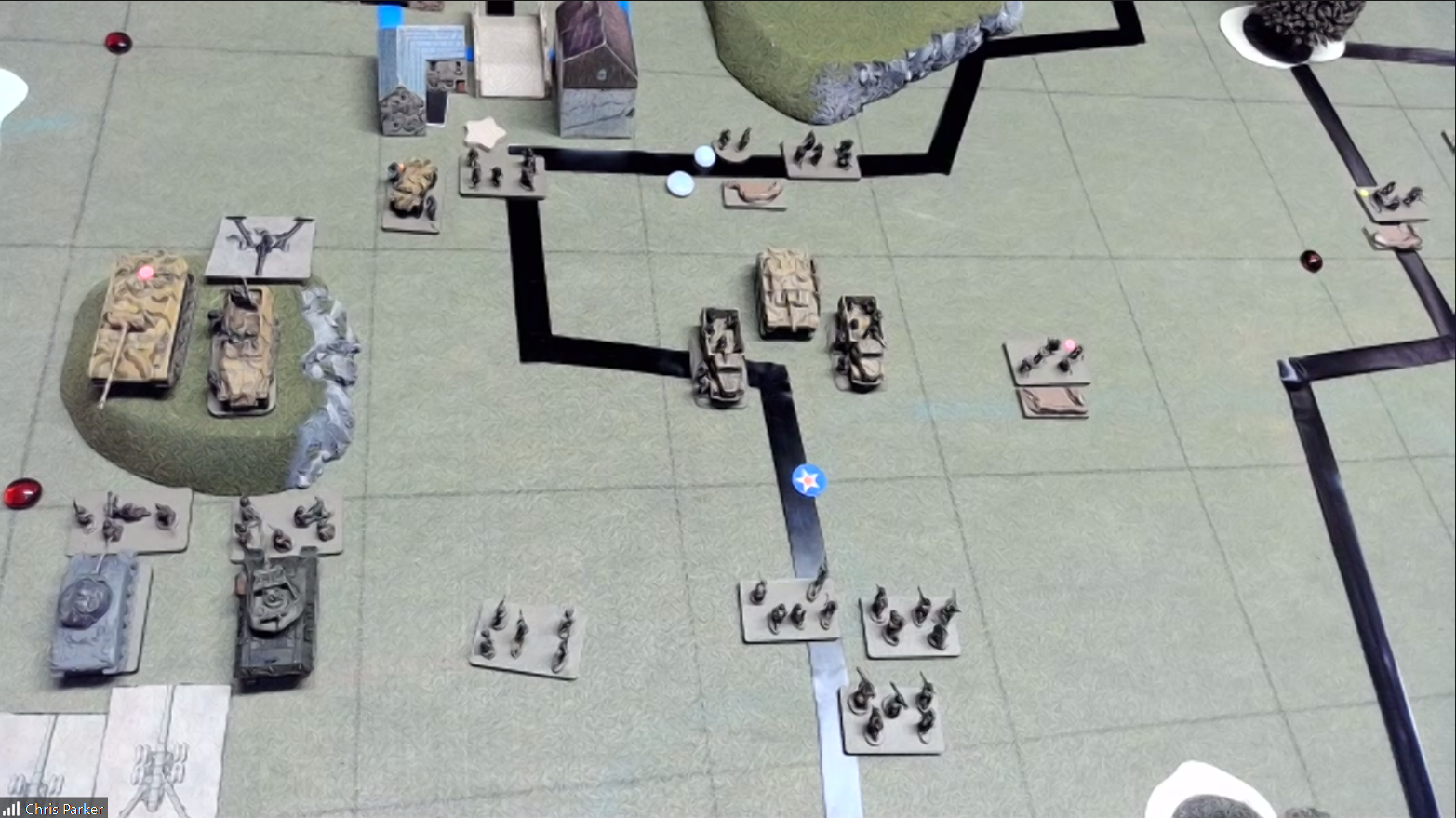
My mighty 80ID, with arty support, attacks the Fuhrer Begleit, also with arty support, on the hill. My supporting attacks in the center turn out to be more hope than action.
I went next. My units rolled for activation. Two infantry, the M-10, and the Sherman attacked the hill with one defending Panther and one Panzer Grenadier battalion. I added in two 155mm artillery strikes. That meant I rolled 8d6 — one for each battalion (4), plus two for combined arms pairs (2), and two for the two artillery battalions (2). I had no support from adjacent squares because they had enemy to front ZOC.
As the Germans held the hill, and I didn’t have any engineers, the Germans had the ‘weapon of choice’ advantage. That meant I was looking for 1s. Umpire Chris rolled for me and I scored two hits, placing one on each unit.
My opponent, John, would not give up such an important square in his line, so he opted not to retreat and instead took saving rolls for each unit. The saving roll for the Panther was 1-3 and it could roll twice due to its great protection factor. It passed. The Panzergrenadier unit failed and was shattered (sha oobie). Besides being removed from the tabletop, this shattering generated a morale check (9d6 looking for a 26 or more), which it passed.
The counterattack from the Panther and some German artillery scored a pair of hits. Having just seen the German vaporize, I retreated my armor.
We went to round two. I could withdraw, but I still had two infantry (2d6) and two artillery (2d6). I chanced the die roll and scored a hit. The Panther retreated off the hill and both my infantry battalions advanced to capture the hill. Technically, both had advanced into the square in the first place to attack and so stayed on the hill while the Panther retreated. Either way you look at it, I had the hill.
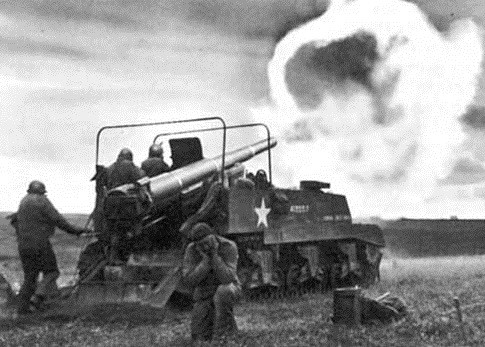
I also had an attack on a lone recon battalion that generated a hit. The recon unit retreated. I advanced.
A third US attack was sent in with only the engineer unit against two infantry and a St
A blown activation roll kept two infantry battalions fixed in place. I had rolled to activate the engineer unit first, made it, and moved through the square with the two infantry battalions into the attack. Then, I rolled for the pair of infantry and blew it. Thus, the engineer went in alone.
I had 1d6. No hits. The German defenders got a hit and I retreated back into the square with the two lolly-gagging infantry. What did they think? The war was over?
I also had an infantry unit behind my lines that blew its activation roll.
For those keeping track, I had five activation rolls and blew two, slightly worse than the 1/3 built into the game.
That ended my turn.
On our right flank, the 33rd Infantry launched a tentative attack on the 26th VG, mostly blown activation rolls prevented units from moving. With only one unit and artillery support, it pushed a German Recon unit back one square. I’m sure the Recon commander radioed back to division, “Found ’em!”
The 26th VG didn’t have much to do. It was sitting pretty.
In the center, the Fuhrer Begleit Division called for an immediate counterattack. The Panther battalion failed to activate, but the STuG and two infantry battalions, with the weapon of choice advantage, dove into the Engineer and two US infantry battalions. The Germans put one hit on one infantry battalion. My boys retreated.
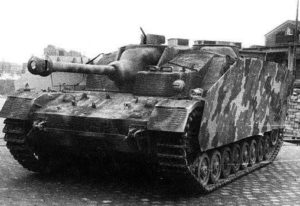
The STuG led the attack
The US reply with an arty rolled 3d6 and managed three “1s” — a Yahtzee moment that stunned the Germans into calling off the attack and retreating. Oh yeah, it’s better to be lucky than good.
The 5th Fallschirmjagers suffered from a rash of activation failures. It was very frustrating for Mark. One of the players quipped the division had “no fuel.”
Given it was mostly an infantry division, maybe it was “no breakfast?”
That ended the first turn.
During the housekeeping phase, Umpire Chris rolled for off-board artillery. Most became available again. He rolled for reinforcements. And he rolled for initiative, which the Germans won. The Germans elected to go first.
The 5th Fallschirmjagers counterattacked and drove the 3rd Armor back, but otherwise remained in a strong position. It could have been much worse – 5FJ suffered from a rash of activation failures. If I recall right, three 6s in a row plus a 5 before getting a couple of 1-4s needed for the attack.
The Fuhrer Begleit Division also failed due to activation failures. They suffered from fuel problems, too.
The 26th VG had no reason to move and didn’t.
The 33rd stayed put. Blown rolls. So much for the right flank
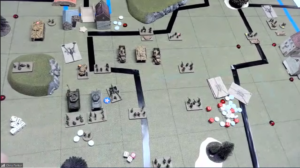
My 80th, scenting fear in the German ranks, surged ahead with the tank and infantry quartet against an infantry and Recon. The infantry retreated, but the recon tried for a save and failed. The Germans passed another division morale check caused by the shattered recon battalion.
Sha oobie!
As the square was now vacant, I could opt for a Breakthrough attack into the town, but only with the Sherman and M-10 battalions. I thought a bit, but declined. Had the infantry been included, I would have gone for it, but it seemed an attack too far. The more I thought about it, the more the Breakthrough mechanic seemed clever, too.
On the right, the engineer and infantry, fresh from their successful defense, attacked an entrenched infantry and sent it packing.
Behind my lines, another activation failure kept the infantry well behind the advance.
The 3rd Armor put together a CCA attack that chased away a defending infantry. During the advance, it took a Breakthrough move into the next square, chasing two more infantry away. Now I know the Breakthrough mechanic was clever.
There the attack halted.
This was the same as Turn 2, only some of the off-board 155mm artillery wasn’t available and the US won the initiative and decided to go first.
The 33rd shrugged off its die-roll inertia and finally sent one Sherman and two infantry battalions along with some artillery support into a pair of dug-in German infantry, one of which was of poor quality, and a pair of Germany artillery. Out of 6d6, no hits. The Germans scored a hit on the M-10, which the US passed the save. Round two saw the US score a hit and the Germans save. Many German hits forced the US back and the attack halted.
My 80th, now adjacent to the victory town, launched an attack against its one, scared, bedraggled defending infantry battalion. Due to terrain, it had the weapon of choice advantage.
On the first round, no hits by either side. On the second round, I scored one hit. The German battalion had a 50-50 chance of passing a save and did. On the third round, I scored one hit. The German battalion had the same 50-50 chance of passing a save and did it again!
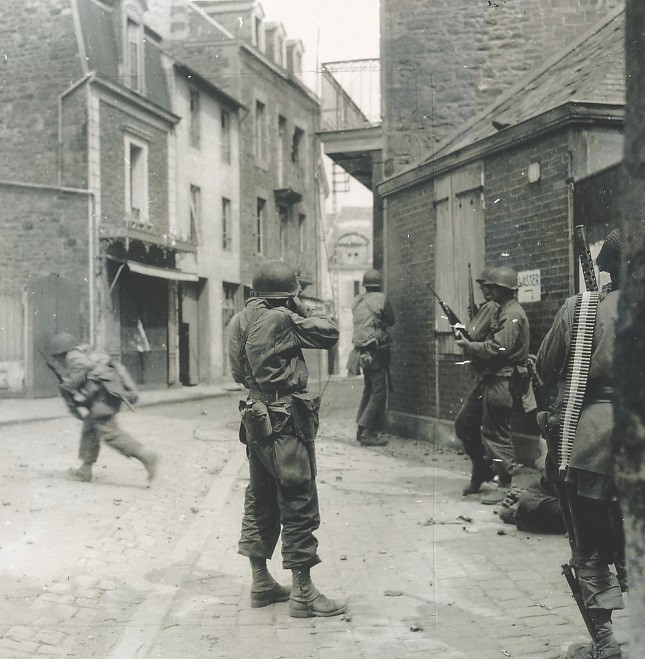
US troops fail to winkle the Germans out of the town.
On the left flank, the 3rd Armor cleared the infantry from the dug-in position, used the Breakthrough, and overran an AT gun. AT guns do not have the option to retreat like infantry and tanks. I’m guessing this was a non-motorized AT gun.
I think CCB had a shot at moving diagonally and attacking the town, but the victory town was garrisoned by four units and would be a tough nut to crack.
The 26th VG was sitting pretty and elected to remain in place.
The Fuhrer Begleit Division mounted an attack with the Panther battalion and two infantry battalions and kicked my armor-infantry pack backwards away from the town.
The 5th FJ managed to get back one of its shattered units and mounted a small attack. Otherwise, it was sitting pretty, too.
Umpire Chris called the game at the end of the third turn — equivalent to a day (DDtB also has a ‘night turn’ in his rules that we did not do). We had played from 8pm to 11pm in real time. Three turns in three hours isn’t bad for a Zoom game where everyone went one after another and most of us were new to the system. Blown activation rolls cut short some divisions’ turns.
My guess is that a turn would take about 30 minutes in a convention setting where people on a side moved simultaneously (and still ask questions). Grognards could handle a division no problem, probably dropping that to 15 minutes a turn if you figure that a third of the units won’t move, a third not hazard an attack, and the last third actually perform an attack.
I was able to see how the various subsystems meshed together, some quite well (combat especially), and some not as much — rolling for movement did indeed paralyze units 1/3 of the time, sometimes (5th FJ) rolling multiple 5s and 6s in a row ending that division’s turn. No fuel! No breakfast! No move!
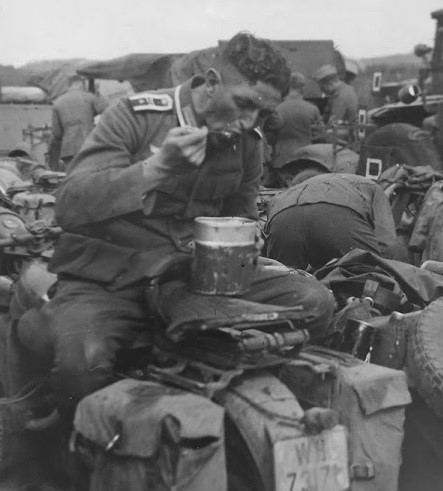
Maybe the Germans didn’t move because they had too much breakfast?
I will point out that at least one unit, an infantry battalion attached to the 3rd Armor, on the road, was never in battle, never in danger, and never activated or moved the entire game (1 day). Maybe they were at a USO show.
Chris noted that during the historical Bulge, a battalion of a VG division got lost in the woods for a day or so before it showed up for an attack. He joked it must have rolled a lot of 5s and 6s.
The 33rd was our hard-luck activation division. Brad exhibited patience with the roll for movement process, but he also didn’t game much. The 5th FJ was the German hard-luck rolling division.
And that’s my objection to rolling for movement. Many game systems possess such a mechanism and my preference is to game, not sit. As you can tell, DDtB offers plenty of opportunity to roll combat and morale dice and get yourself into trouble or have the opponent put you into trouble. Not moving doesn’t get anyone into any trouble.
I forgot to mention that when rolling for activation, a “1” will get you a double move. Black Powder/Hail Caesar have a similar mechanic — roll for movement with base 40% for no move and a small percentage to move 2x and even 3x to try and make up for sitting down for a picnic. Fire & Fury Brigade also has a similar mechanic with a ‘double time’ 25% movement bonus to offset slower or non-moves.
For DDtB, Chris noted that players do not have to roll one make-or-break die for all units in a square, but can roll for each unit, even if they are going to perform identical moves, to smooth out the rolls. He also noted optional Staff rules that provide free re-rolls.
To me, these nuances seem like fixes to a mechanic that can take a player out of a game. I know a lot of gamers enjoy rolling for movement. I’m just not one of them.
Russ’ Rule: If you don’t have movement, you don’t have a game and I came to game, not to sit.
Other than the roll for activation mechanic, DDtB has a smooth combat system and a clever morale system. Most veteran players will be able to pick up the basics in an instant, although some of the nuances to the divisional morale system might take a bit more effort to learn, especially concerning the number of dice to roll. It’s in the rules, but read carefully.
We did not play with US air support (Jabo), which has a 50-50 chance of adding from one to three dice to each US combat (assuming the weather is clear).
The number of combat dice we used in the game sometimes hit double digits, but usually not that high. You really need to concentrate to get that number of dice. I like the idea that even a single stand can toss a die and cause retreats and eliminations.
The square grid takes some getting used to, but I like the frontal ZOC locks. Some of the diagonal movement situations took an explanation from Umpire Chris, but again, easy to pick up once you understand the ZOC.
The Weapon of Choice idea, easily figured out using the table, offers a quick way to give attacker or defender an advantage — if one is there. That’s a quick way to differentiate units on a large scale.
I’m up for playing this again, preferably in person. When conventions roll around, give this a go!
My vote goes to John’s Fuhrer Begleit infantry battalion that made two 50-50 saves in a row to keep the victory town. Make it a veteran unit for the next game!
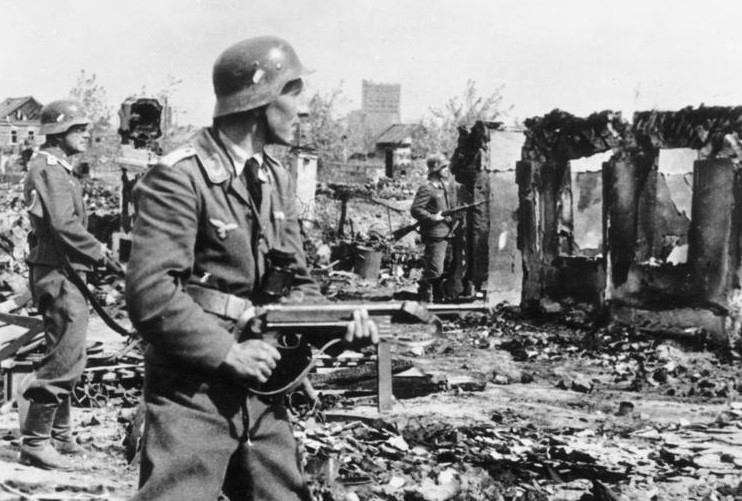
The toughest unit in the game – defenders of the town
Umpire Chris set up multiple cameras in his basement to show different angles of the game. We kept pestering him to move the view this way and that, but it struck me that fixed viewpoints, adjusted for advancing, would be great for fog of war. I certainly didn’t pay much attention to my left or right when I was doing a turn. I should have, but I didn’t.
Now, if you could have one camera per player, each with a Zoom window open…
Russ Lockwood is most famous for creating MagWeb.com a former on line site which provided miniature gamers with an enormous information data base of magazines and e-books. In addition to his web achievements Lookwood is now pursuing writing and designing both books and game systems. Other titles include Snappy Nappy. Contributions to various magazines such as MWAN and Historical Miniature Gamer.
You can contact Russ at rlockwood1@chrisparkergames.com
Ready to purchase D-Day to Berlin? Go Shop
Chris Parker Peeps In
I must admit that when I set up and ran these two games for the Virtual Convention I relied on my Allied O.O.B. from my memory of 2 years ago when I ran it at a few conventions. I pretty much got it all wrong this time. The forces involved were…
3rd Corps
Views: 39
From the video game master.
An eight player Napoleonic Wargame in 15mm re fight the British intervention in France’s attempts to conquer Spain & Portugal in 1809.
Played in a single day at the Napoleonic Wargaming Society, Perth, Western Australia.

Chris:
Thought you might like to see this fantastic 13 minute video from a Snappy Nappy Campaign-in-a-Day from Australia. They did the Peninsula. Quite entertaining to see their video recap efforts.
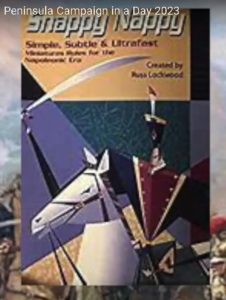
So lets try and give this video some more likes and shares.
Thank you
Chris
Views: 69
 AAR_Wargaming_ChainCmd_CD1941_TerrMars_NextGen_News_PtBreeze_BookRev.pdf